
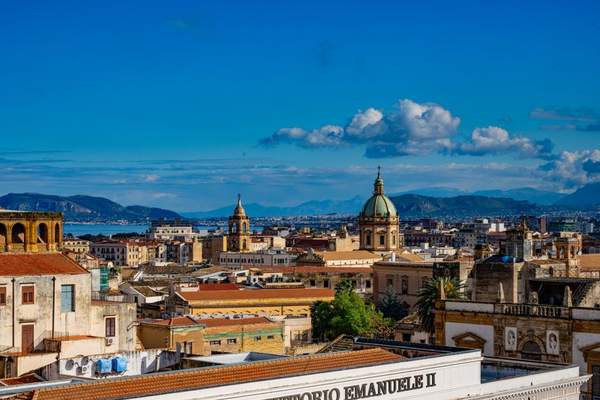
Sicily rewards travellers who want Italy without reducing the trip to a checklist of famous mainland cities. The island feels distinctly Mediterranean yet layered with Greek temples, Arab-Norman architecture, Baroque towns, fishing villages, volcanic landscapes and a food culture that changes from one province to the next. For repeat visitors to Italy, that variety is the real attraction: a week can move from Palermo’s markets to coastal coves, then from ancient ruins to the black-lava slopes of Mount Etna.
The key to a successful Sicily itinerary is accepting that the island is larger and more varied than it appears. Rather than trying to circle it in a few hurried days, choose one side or combine two regions with a realistic travel day between them. This leaves time for long lunches, evening walks and the unscheduled stops that often become the most memorable part of a Sicilian trip.
Top places to see in Sicily
Palermo and the north-west
Palermo immediately shows how many cultures have shaped Sicily. Essential Palermo attractions include the Norman Palace and Palatine Chapel, Palermo Cathedral and historic markets such as Ballarò. The city’s Arab-Norman heritage is part of a UNESCO-listed group that also includes the cathedrals of Monreale and Cefalù.
Give Palermo at least two full days. Spend one on the historic centre and markets, then use another for Monreale or the coast around Mondello. A natural internal-link topic here is a guide to Sicily’s best historic cities or Palermo’s best food experiences.
Cefalù and the northern coast
East of Palermo, Cefalù combines a compact medieval centre, sandy waterfront and Norman cathedral. It works as a day trip, but an overnight stay is more relaxed, especially in warmer months. The climb to La Rocca adds wide views across the Sicily coast and the red-roofed streets below.
Agrigento and the Valley of the Temples
The archaeological area of Agrigento is one of Sicily’s strongest reminders of its ancient Greek past. The Valley of the Temples contains monumental Doric temples across a broad landscape rather than one enclosed ruin site. In hot weather, arrive early or later in the afternoon, carry water and allow time to walk between the major remains.
Taormina, Catania and Mount Etna
Eastern Sicily is ideal for combining culture, sea views and outdoor experiences. Taormina is polished and popular, with its ancient theatre and dramatic position above the Ionian coast. Catania is busier and more lived-in, with Baroque streets, markets and easy access to Mount Etna.
Etna is one of the world’s most active volcanoes and a UNESCO World Heritage Site. Conditions and permitted access can change with volcanic activity and weather, so plans should remain flexible. Many visitors approach from the southern side near Rifugio Sapienza, where cable-car and guided excursion options can take travellers higher when conditions allow. Even without a summit-area excursion, lava fields, viewpoints and villages around the volcano make Etna worth a day.
Siracusa and the Baroque south-east
Siracusa is a strong base for history and atmospheric evenings. Ortigia, its historic island centre, is made for walking, with narrow lanes opening onto sea views and grand piazzas. From here, a road-trip loop can continue through Noto, Modica and Ragusa Ibla, where ornate Baroque architecture creates a different mood from Palermo or Catania. Another useful internal-link topic is a south-east Sicily road trip guide.
Where to enjoy Sicily’s coast
The Sicily coast changes character constantly. The north combines towns and beaches around Cefalù, San Vito Lo Capo and the Zingaro area. The east offers resort scenery around Taormina, while south-eastern beaches pair naturally with Baroque-town itineraries.
If beaches are a priority, avoid moving hotels every night. A practical seven-night plan is three nights in Palermo, one in Cefalù, then three around Catania or Taormina for Etna and the east coast. It delivers variety without losing too much time to packing, parking and check-ins.
What to eat while travelling around Sicily
Sicilian food is reason enough to slow down. Look for pasta alla Norma, caponata, fresh seafood, cannoli, granita and regional ingredients such as pistachios, almonds, citrus and local cheeses. In Modica, chocolate is part of the town’s culinary identity; around Etna, vineyards add another layer to a food-focused trip.
Instead of chasing a long list of famous dishes, order regionally. Ask what a trattoria cooks locally, visit a morning market and leave space for seasonal produce. That simple habit often creates a more memorable meal than choosing only from social-media recommendations.
Best time to visit Sicily
Spring and autumn are the most balanced seasons for sightseeing. Official Italian tourism guidance highlights these periods for villages, cultural cities and natural landscapes, while the sea season generally stretches from May into October. April to June and September to October therefore suit travellers who want warm weather, outdoor sightseeing and fewer peak-summer pressures.
July and August suit travellers who specifically want beach weather and lively resorts, but heat and demand can make archaeological sites and cities more tiring. Winter is quieter and can work well for Palermo, Catania and food-focused city breaks, although some seasonal coastal businesses reduce hours or close.
How many days do you need in Sicily?
Seven days is enough for a focused first visit, but ten to fourteen days is better for both western and eastern Sicily. With one week, choose Palermo and the north-west, or Catania and Siracusa with Etna. With ten days, you can connect Palermo to the east while adding Cefalù or Agrigento.
Driving gives the most freedom for rural areas and smaller towns, while trains are useful between several major cities and coastal destinations. A good rule is to use public transport for city-based sections and rent a car only for days when it genuinely improves the route.
Frequently asked questions
Is Sicily worth visiting if you have already seen mainland Italy?
Yes. Sicily has a distinct history, cuisine and landscape, so it rarely feels like a repeat of Rome, Florence or Venice. It is especially rewarding for travellers interested in archaeology, Mediterranean food, volcanic scenery and slower regional travel.
What is the best month to visit Sicily?
May, June, September and early October are strong all-round choices for many visitors, combining good sightseeing conditions with beach possibilities while avoiding the most intense part of the summer peak.
Do you need a car in Sicily?
Not everywhere. Palermo, Catania, Cefalù and Siracusa can be explored without one, and trains connect several major destinations. A car is more useful for rural areas, smaller Baroque towns, nature reserves and flexible coastal routes.
Can you visit Mount Etna independently?
You can reach lower visitor areas independently, but access higher on the volcano depends on current safety rules, weather and volcanic conditions. For summit-area or restricted-zone excursions, follow official guidance and use authorised local operators where required.
Planning a Sicily trip that feels unhurried
Sicily is at its best when the journey has breathing room. Pick a few anchor destinations, stay more than one night in each region and let food, landscape and local rhythm fill the gaps between major sights. That is how Palermo’s layered streets, the Sicily coast, ancient Agrigento and Mount Etna become one coherent trip rather than a collection of rushed stops.