
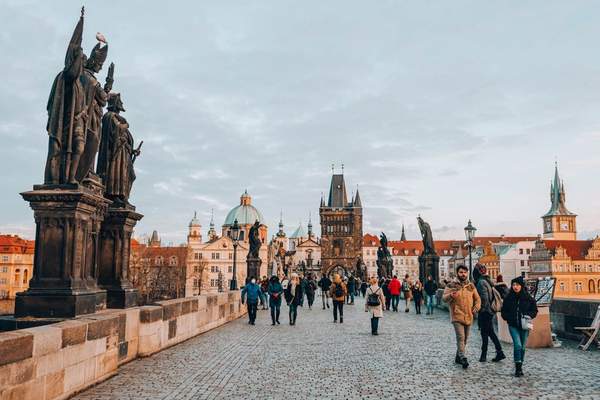
Europe’s busiest visitor districts make spending feel effortless. A famous square, a queue outside a “must-see” attraction, a waiter waving you toward a table, or an ATM beside a landmark can all create the same pressure: decide quickly and pay now. The easiest way to avoid tourist traps in Europe is not to distrust every business near a landmark, but to slow down long enough to compare the price, the seller and the alternative before money changes hands.
Overspending is usually made up of small decisions. A poor exchange rate, an overpriced meal, an unnecessary ticket upgrade and a costly ride can quietly take a large bite out of a short-trip budget. Smart spending in Europe is mostly about recognising when convenience is being sold at a premium.
Check Prices Before You Sit Down or Order
Restaurants and cafés in high-traffic areas often charge more because customers are paying partly for location. That is not automatically a scam. Read the menu before sitting down, check for service or cover charges, and confirm the price of items described verbally as “specials.”
A simple test is to walk one or two streets away from a major square and compare nearby menus. If coffee costs €6 beside the landmark and €2.50 around the corner, you have discovered the local tourist premium. You may still choose the expensive table for the view, but it is now a deliberate purchase.
The same habit helps with souvenir shops, kiosks and convenience stores. Look for displayed prices and be cautious when a price is unclear. Within the EU, traders are generally required to provide clear total-price information, but checking before paying remains one of the most useful budget sightseeing tips.
Use Official Ticket Sources as Your Price Benchmark
Popular attractions attract resellers, unofficial “skip-the-line” sellers and packages with extras. Some are useful; others simply add a large commission. Before buying from a street seller, hotel desk or search advertisement, check the attraction’s official website for the standard price, available time slots and what admission includes.
To avoid overpriced attractions, separate the value of admission from the value of convenience. A guided tour can justify a higher price if you genuinely want a guide, small-group experience or transport. Paying extra because someone claims official tickets are unavailable is different. The official site gives you a reliable reference point.
City passes also need a quick calculation. Add up the attractions you realistically plan to visit, not every attraction included in the pass. A packed itinerary may produce genuine savings, while a slower trip can make the same pass poor value.
Pay Attention to Currency Conversion and ATM Fees
Card terminals and ATMs may offer to convert a payment or withdrawal into your home currency. This is dynamic currency conversion. The familiar amount can look convenient, but the conversion may include a less favourable exchange rate or markup.
Paying in the local currency is often cheaper because your own bank or card provider handles the conversion, although the best choice depends on your card’s foreign transaction fees. Check those fees before travelling. In relevant EU transactions, currency-conversion charges must be disclosed, so read the screen rather than accepting automatically.
Independent ATMs in visitor districts can also add operator fees. Read each screen, decline unwanted conversion when appropriate, and consider a machine operated by a recognised bank. Europe tourist scams and costs are often discussed together, but an expensive ATM transaction is not necessarily fraudulent; sometimes the fee was disclosed and simply accepted too quickly.
Compare Transport Before You Arrive
Airports, railway stations and cruise ports are easy places to overspend because tired travellers want the fastest route to their accommodation. Before arrival, check the official airport or city transport website for train, metro, bus and licensed taxi options. Save the approximate fare and journey time on your phone.
Imagine arriving in Rome after a long flight and being approached by someone offering a “special” ride into the city. If you already know the official rail option and the expected licensed-taxi arrangement for your destination, you have a benchmark. You can decide whether the convenience is worth the extra cost instead of negotiating without context.
Ride-hailing apps can provide another comparison where they operate, but local pickup rules vary. The goal is to know what you are paying for and avoid a large premium caused only by uncertainty.
Recognise Pressure and “Free” Offers
Many tourist-area scams rely on urgency or social pressure. A bracelet placed on your wrist, an unsolicited photo, a petition, a “gift,” or help at a ticket machine may quickly become a demand for money. A polite, firm refusal is usually safer than entering a long discussion.
Distraction matters too around crowded landmarks and public transport. Keep valuables secure, do not hand your phone or wallet to strangers, and verify claims about broken machines or closed entrances with official staff.
Use a Five-Minute Spending Check
You do not need to memorise every scam in every city. Before an unplanned purchase above your personal comfort threshold, take five minutes to check three things: the official price, one nearby alternative and the payment currency. That routine works for meals, tickets, tours, transport and souvenirs.
Set a daily flexible-spending amount after accommodation and major transport are covered. This makes it easier to decide when a premium experience is worthwhile. Useful related topics to explore are travel budget planning, affordable local transport in Europe and choosing a travel card for overseas spending.
FAQ
How can I tell if a place is a tourist trap?
Look for several warning signs together: unclear prices, aggressive sales tactics, unusually high markups and heavy targeting of visitors. A prime location alone does not make a business a tourist trap. Transparency and value matter more than location.
Should I avoid restaurants near famous attractions?
No. Sometimes paying extra for a memorable view is part of the experience. Check the menu, possible service or cover charges and nearby prices first so you understand the premium you are choosing to pay.
Is it better to pay in euros everywhere in Europe?
No. Many European countries use currencies other than the euro. When paying by card, choose the local currency unless you have compared the offered conversion with your own card provider’s rate and fees.
What is the easiest way to avoid overspending while sightseeing?
Use official ticket sources, compare at least one alternative before larger unplanned purchases, know the main local transport options and pause before accepting currency conversion. These small checks protect your budget without making the trip feel restrictive.
Spend With Context, Not Suspicion
The aim is not to treat every restaurant, tour seller or souvenir shop near a landmark as dishonest. Tourist districts contain both good businesses and expensive conveniences. The useful skill is recognising when you are paying extra for something you value and when you are paying extra because you felt rushed or uninformed.
With a few price checks, official sources and calmer payment decisions, you can enjoy Europe’s busiest sights without letting avoidable fees and tourist-area markups take over your travel budget.