
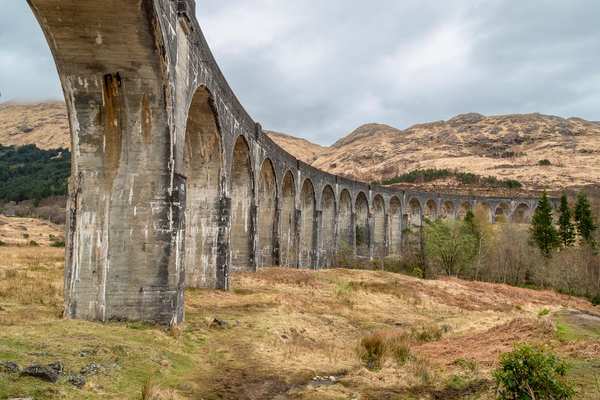
The West Highland Way is often a first taste of multi-day walking in Scotland, but its 96 miles (154 km) deserve more planning than a weekend hike. Starting in Milngavie, near Glasgow, the trail follows loch shores, forest paths, moorland and mountain scenery before finishing in Fort William. The distance is achievable for many fit walkers; the challenge is getting up and doing it again tomorrow.
This West Highland Way guide focuses on where to stop, how much to carry and which days require extra time. Plan around your slowest likely day rather than your fastest training walk.
How difficult is the West Highland Way?
The route is waymarked but not uniformly easy. The southern end offers gentler walking, while the rocky path beside northern Loch Lomond can be slow underfoot. Later, exposed Rannoch Moor and the Devil’s Staircase bring different challenges. Wet rock, wind and tired feet can matter more than the map distance.
Many walkers finish in six or seven days. For a first long-distance trek, eight days allows a gentler pace. Train with consecutive walking days, including hills, using your intended footwear and pack.
An eight-day West Highland Way itinerary
These approximate West Highland Way stages are a starting point, not fixed obligations. Distances vary with accommodation and detours. Reserve your overnight stops before committing to the schedule.
Day 1: Milngavie to Drymen, about 12 miles
A gentle introduction through parkland, woodland and rural paths. Resist walking too fast because your legs feel fresh. Drymen is a convenient overnight base, though some rooms involve a detour.
Day 2: Drymen to Rowardennan, about 14 miles
Reach Loch Lomond via Conic Hill when conditions and route notices permit. Allow time for the descent and enjoy the views around Balmaha before continuing along the shore.
Day 3: Rowardennan to Inverarnan, about 13 miles
This is the day to protect in your timetable. The lochside path involves rocks, roots and frequent changes in elevation. Thirteen miles here can take much longer than the same distance on a smooth track.
Day 4: Inverarnan to Tyndrum, about 12 miles
Head through Glen Falloch and past Crianlarich towards Tyndrum. Use the village to restock supplies and address developing blisters before the more remote sections.
Day 5: Tyndrum to Inveroran, about 9 miles
A shorter day gives your feet time to recover as Highland scenery opens around you. Overnight options at Inveroran are limited; book early or adapt your itinerary around available beds.
Day 6: Inveroran to Kingshouse, about 10 miles
Cross exposed Rannoch Moor, where there is little shelter. In poor visibility, dependable navigation and accessible waterproofs matter more than speed.
Day 7: Kingshouse to Kinlochleven, about 9 miles
The Devil’s Staircase brings a sustained climb followed by a lengthy descent. Trekking poles can help your knees, especially after almost a week of walking.
Day 8: Kinlochleven to Fort William, about 16 miles
The final stage climbs out of Kinlochleven before entering Glen Nevis. Leave enough daylight and energy to enjoy the finish in Fort William rather than racing to catch a train.
Book accommodation before finalising the route
West Highland Way accommodation ranges from guesthouses and hotels to hostels, bunkhouses and campsites. Availability is uneven. Rowardennan, Inveroran and Kingshouse offer fewer beds than larger stopping points, and popular dates fill early.
Keep a booking sheet with each night’s location, distance to the property, meal arrangements and check-in details. A room advertised as near the trail may still require a tiring extra walk. If an essential night is unavailable, shift your stages rather than accepting an unexpectedly long day.
Camping requires planning too. In designated Camping Management Zones within Loch Lomond and The Trossachs National Park, camping between 1 March and 30 September is restricted to authorised campsites or permit areas. Elsewhere, follow the Scottish Outdoor Access Code and leave no trace. Check the National Park’s current zone map before pitching.
Is luggage transfer worth it?
For first-time walkers staying indoors, luggage transfer can turn a heavy-pack expedition into a series of manageable day hikes. Providers move your main bag between participating accommodation, leaving you to carry water, food, waterproofs and essentials. Confirm that your chosen properties accept bags, and check weight limits and delivery arrangements.
If you prefer carrying everything, practise on consecutive days with a fully loaded pack. Lighten unnecessary extras, but never sacrifice vital weather protection to save weight. A separate long-distance walking pack checklist is useful for comparing what you need with what you merely want.
West Highland Way packing essentials
Scottish weather changes quickly, even in summer. The best West Highland Way packing approach keeps waterproof layers close to hand rather than buried beneath spare clothes.
Wear tested walking shoes or boots and comfortable socks. Pack moisture-wicking layers, a warm mid-layer, waterproof jacket and trousers, hat, gloves and dry bag or pack liner. Carry an offline map plus paper map and compass, and know how to use them.
Add blister dressings, personal medication, a headtorch, charged phone, power bank, water, snacks and a small first-aid kit. During warmer months, consider midge repellent and a head net; check yourself for ticks after walking. A waterproof walking clothing guide and a hiking first-aid checklist can help refine your preparations.
Timing, pacing and transport
May is especially popular. Spring and early autumn can be appealing, but no month guarantees settled weather. Midges are often troublesome during warmer months. Short daylight hours and possible snow or ice make winter walking appropriate mainly for people with the necessary experience and navigation skills.
Start early on the Rowardennan-to-Inverarnan section and allow generous breaks. For example, when slippery rocks add an hour to your walking time, a booked meal and sensible daily distance are far more reassuring than an ambitious onward march. Check forecasts and official route notices each morning.
Milngavie has trains from Glasgow, while Fort William has rail and coach connections for the journey home. Stations at Crianlarich, Tyndrum and Bridge of Orchy offer options for shorter trips or changed plans. Check ScotRail and coach timetables before booking onward travel and allow a margin after the final walk. A Scottish walking holidays by train guide can simplify your logistics.
Frequently asked questions
Can beginners walk the West Highland Way?
Yes, with suitable fitness, preparation for rough terrain and realistic daily distances. Some hillwalking and basic navigation experience are valuable.
How many days should I allow?
Six or seven days is common, but eight days offers first-time walkers more flexibility for slow sections and recovery.
Is the trail clearly signposted?
The route is waymarked, but signs cannot replace map-reading skills, particularly in poor visibility or on exposed ground.
Do I need to book accommodation?
Booking ahead is strongly recommended, especially for small settlements and popular dates. Campers should check seasonal local restrictions.
Enjoy the journey, not just the finish
The best West Highland Way itinerary is not necessarily the quickest. Leave breathing room around demanding lochside walking, book scarce overnight stops first and arrange luggage and transport before departure. With a realistic pace and weather-ready kit, you’ll have time to enjoy the changing Scottish landscapes, not simply reach the next bed.