
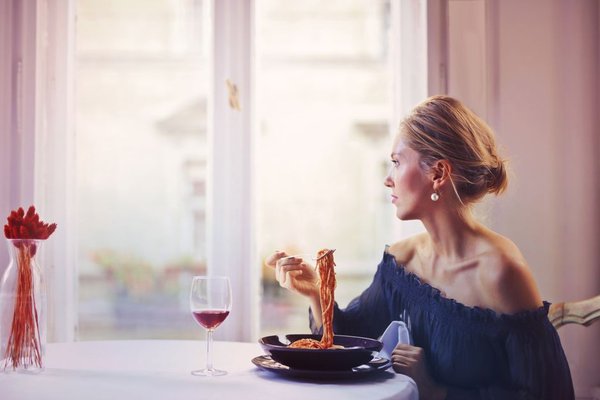
Eating alone while travelling can feel awkward, especially if you are used to meals being social occasions. You may wonder where to sit, what to do while waiting for food, or whether other diners are noticing you. Most people, though, are focused on their own meals and conversations. The discomfort usually comes from unfamiliarity.
The good news is that solo dining becomes easier with practice. A few practical choices can make a meal feel less like something to get through and more like part of the travel experience. Instead of avoiding restaurants, you can learn how to choose places that suit you, settle in confidently and enjoy local food at your own pace.
Choose a setting that makes solo dining easier
A formal restaurant with tightly packed tables and long service may feel intense for a first solo meal, while a café, food hall, counter-service restaurant or casual bistro often feels more relaxed. Open kitchens, bar seating and window counters can feel comfortable because they give you something to look at.
If you prefer a quieter atmosphere, visit a popular restaurant slightly before the main rush. One of the simplest solo dining tips is to eat lunch at 12:00 instead of 13:00 or dinner at 18:00 instead of 20:00. A calmer room can make the experience much easier while you build confidence.
Make the first two minutes simple
The hardest part is often walking through the door. When you enter, make eye contact with the host or server and say clearly that you need a table for one. You do not need to explain why you are alone or apologise. “A table for one, please” is completely normal.
If you are offered a seat you dislike, it is reasonable to ask whether another is available. A table by the window, a seat at the bar or a position with a view of the room may help you relax. Being alone does not mean you have to accept the least appealing table.
A practical scenario
Imagine you arrive in Lisbon after a day of sightseeing and want to try a small neighbourhood restaurant. The room looks busy, so you feel tempted to leave. Instead, you ask whether they have a seat for one, and the server offers a place at the counter. You can watch dishes being prepared, order a local speciality and take your time. Within a few minutes, the situation that felt uncomfortable at the entrance has become part of the experience.
Give yourself something natural to do
You do not need to stare at your phone just to look occupied. Read the menu, notice how local dishes are served, watch street life through the window or jot down a few notes. A small notebook, book or travel journal can also feel natural between courses.
The aim is not to look busy. It is to feel comfortable occupying the space. Solo travel confidence and how to meet people while travelling alone are useful related topics to explore.
Enjoy the freedom of choosing for yourself
Dining alone on holiday has an advantage that is easy to overlook: every food decision is yours. You can choose the restaurant, order exactly what interests you and leave whenever you are ready.
This freedom is especially useful in destinations known for food. You do not have to compromise with someone who wants different food or has a different budget. If a market stall, noodle shop or tiny family-run café catches your attention, you can simply try it.
Consider making one meal each day a deliberate travel experience. Choose something local, ask the server what is popular, or order a dish you would not normally pick at home. Curiosity gives the meal a purpose beyond simply filling time.
Handle busy restaurants without feeling guilty
Some solo travellers worry that taking a table for two is inconvenient for the restaurant. If a restaurant seats you, they have decided they can accommodate you. You are a customer like anyone else.
At busy times, staff may offer a bar, counter or shared table. If that suits you, it can make the experience easier. A reservation can also remove uncertainty because the venue is already expecting one diner.
Let awkward moments stay small
A server may ask, “Just one?” A nearby couple may glance in your direction. You may finish eating sooner than expected and feel unsure what to do. None of these moments needs to mean anything. They usually pass within seconds.
Try not to interpret neutral events as evidence that you look out of place. People eat alone for countless reasons, including work trips, solo holidays, schedules and simple preference. In many cities, a person having lunch or dinner alone is completely ordinary.
If anxiety rises, put both feet on the floor, take a slow breath and choose one concrete thing to focus on, such as the menu, the view or your next activity. This brings your attention back to the actual experience.
Build confidence gradually
You do not need to begin with a long evening meal in a formal restaurant. Start with breakfast in a café, lunch at a food market or a quick meal at a casual place. Once that feels easy, try a busier restaurant. Confidence grows through repetition, not by forcing yourself into the most challenging situation immediately.
Plan before you become hungry. Save a few suitable places on your phone earlier in the day so you are not choosing while tired and unsure. Planning your first solo trip can also help reduce uncertainty across the journey.
FAQ
Is it normal to feel awkward eating alone while travelling?
Yes. Many people feel self-conscious at first because they associate restaurants with company. The feeling usually becomes much weaker after several normal, uneventful solo meals.
What are the easiest places for eating out alone?
Cafés, food halls, market stalls, casual restaurants, bar seating and places with communal tables are often comfortable choices because they tend to have flexible seating and plenty of solo customers.
Should I bring a book or use my phone?
Either is fine if it helps you relax, but you do not need a prop to justify being there. A book or journal can be pleasant between courses, while putting the phone away for part of the meal can help you notice more of the destination.
How can I feel more confident dining alone on holiday?
Start with low-pressure meals, choose welcoming venues, go slightly outside peak hours and remind yourself that you do not need to explain why you are alone. Repetition is what makes the experience feel ordinary.
Make the meal part of the trip
Eating alone while travelling does not have to be a gap between more interesting activities. It can be the moment you finally try a regional dish, watch a neighbourhood settle into the evening or enjoy an hour with no one else’s preferences to manage. Choose a setting that feels comfortable, arrive with a simple plan and give yourself permission to take up space like any other diner. The more often you do it, the more it simply feels like travelling on your own terms.