
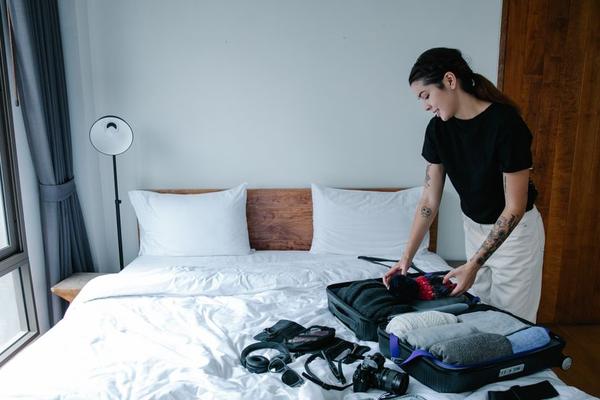
Travelling alone gives you freedom to set your own schedule, but it also makes your accommodation choices more personal. A hotel that looks attractive online may be inconvenient to reach after dark, or its room security may be less reassuring than the photographs suggest.
These hotel safety tips for solo travellers cover the practical decisions before and during a stay: where to book, what to check at reception and how to respond if something feels wrong. Good preparation should make your trip easier, not turn it into a constant security exercise.
Start With the Neighbourhood, Not the Star Rating
Look up the property’s exact address and check the walk from the nearest station or likely drop-off point. A central hotel may still sit on a poorly lit side street. Consider nearby transport, staffed businesses and whether you can arrive without crossing isolated areas late at night.
Read the official travel advice for your destination, especially if you are unfamiliar with local transport or neighbourhood risks. An expensive hotel is not automatically safer, and a cheap one is not automatically unsafe. Location and access are more useful starting points than price alone.
When choosing solo traveller accommodation, think about your actual arrival time. A slightly less glamorous hotel with round-the-clock reception may be more convenient than an apartment that requires collecting a key from an unfamiliar location.
Read Hotel Reviews Like a Solo Guest
Instead of relying only on the average rating, search recent reviews for comments about door locks, reception staffing, unwanted visitors, corridor access and journeys back after dark. Look for recurring complaints rather than treating one unusual incident as proof of a general problem.
Read reviews from solo guests where possible. They may describe details that groups overlook, such as an unstaffed entrance, confusing late check-in or a room door that faces a public walkway.
Safe hotel booking also means verifying payment requests. Be wary of unexpected messages asking you to use a new payment link or contact a different number. If uncertain, reach the property through details independently confirmed on its official website or booking platform.
Ask About Security Before You Pay
Check-in arrangements
Confirm reception hours, after-hours entry and whether someone can help if your flight or train is delayed. If the hotel uses self-check-in, ask how problems with entry codes or keys are handled at night.
Building and room features
Ask about working locks, smoke alarms, emergency exits and access to reception. Travellers with mobility needs should confirm accessible evacuation arrangements, not just whether the building has a lift. No single security feature guarantees safety; look at the overall setup.
A guide to choosing a hotel neighbourhood is useful when comparing locations, while a hotel booking checklist can help you ask the same practical questions of each property.
Make Late Arrival Predictable
Save your hotel’s address, telephone number and check-in instructions offline. Arrange a reliable route from your arrival point and keep a backup option in case the property cannot admit you. Share your accommodation details and expected arrival with someone you trust.
Imagine a train arrives two hours late in a city you have never visited. If you already know that reception is open, where the entrance is and how to reach it by licensed taxi, you avoid searching for another hotel while standing outside the station.
If the entrance or surrounding area feels threatening, move to a staffed public place and contact the hotel or arrange alternate accommodation. Being booked in does not mean you must ignore a genuine concern.
Keep Your Room Number Private at Reception
Ask staff to show rather than announce your room number if other guests are listening. Keep your key card separate from a sleeve printed with the room number, and avoid telling strangers which floor or room you occupy.
You do not need to make a point of telling people that you are staying alone. Ask reception how visitors are admitted and how replacement keys are issued. Discreet, routine questions are part of sensible solo hotel safety.
Do a Room Security Check Before Unpacking
First, close the room door and check that it latches and locks. Test any deadbolt or secondary latch. Check accessible windows and connecting doors, then make sure curtains close properly for privacy.
Find the room telephone or another reliable way to contact staff. Locate the posted emergency instructions and identify the nearest staircase. Fire safety matters just as much as preventing unwanted entry.
If a lock, alarm or window appears defective, report it immediately and request a repair or another room. Avoid blocking the door with furniture or devices that might prevent a quick evacuation. Extra personal alarms can supplement hotel room security, but they cannot replace working locks.
Check the room before settling in and trust what you observe rather than assuming every advertised amenity works. A two-minute inspection is usually easier than dealing with a fault late at night.
Be Careful With Visitors and Unexpected Knocks
Meet new acquaintances in the lobby rather than your room. If somebody knocks claiming to be hotel staff, verify the visit with reception using a number you already know before opening. A uniform or confident explanation is not enough on its own.
Avoid posting your room number or live location publicly. Store valuables thoughtfully, keep essential documents and medication accessible, and follow your property’s guidance on available safes. A solo travel packing checklist can help you organise these essentials before departure.
Know How to Respond if Something Goes Wrong
If you feel threatened, find a staffed public area when it is safe to do so. Tell reception clearly what happened and request assistance, a different room or help leaving. Contact local emergency services if there is immediate danger.
Document relevant messages or incidents when safe, and avoid confronting someone you believe may pose a threat. Your priority is getting somewhere secure, not winning an argument with staff.
Frequently Asked Questions
Are hotels safer than hostels for solo travellers?
Not automatically. Compare location, staff availability, visitor access, locks and recent reviews. A well-managed hostel can be a better choice than an isolated hotel with an unsecured entrance.
Is it safe to check into a hotel late at night?
It can be, especially when you have confirmed reception arrangements and reliable transport. Avoid arriving without knowing how you will enter the building.
What if my room door does not lock properly?
Contact reception immediately and request a repair or room change. If the hotel cannot provide secure accommodation, consider moving elsewhere.
Should I share my room number with new acquaintances?
No. Arrange to meet in public areas and share your room location only with people who genuinely need to know it.
Small Checks Make a More Relaxed Stay
Hotel safety is rarely about one dramatic precaution. Choose a manageable location, confirm late check-in, protect your room number, test your locks and learn your exit route. These straightforward habits help you enjoy the independence of travelling alone with fewer preventable worries.