
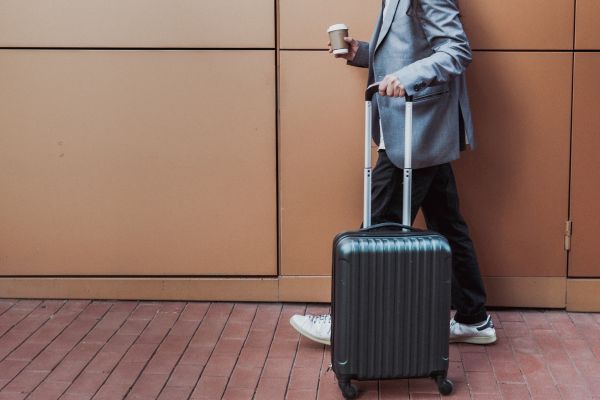
Travel has a strange way of lowering our guard. You arrive in a new city with your bags, your plans, your phone battery slowly disappearing, and your mind already half-focused on where to eat or how to find the hotel. That is exactly the kind of moment scammers look for. Not because travelers are careless, but because travel naturally puts people outside their usual rhythm.
Knowing how to handle travel scams is not about becoming suspicious of everyone you meet. Most locals, guides, drivers, shopkeepers, and fellow travelers are honest people. Many will help you without expecting anything in return. But scams do happen, and when they do, the way you respond matters. A calm, practical reaction can protect your money, your documents, and your confidence for the rest of the trip.
Recognize the Moment Before It Escalates
Many travel scams begin with pressure. Someone approaches too quickly, offers help you did not ask for, insists that a place is closed, claims your ticket is wrong, or tries to move you away from a public area. The first warning sign is often not the offer itself, but the urgency around it.
Scammers like confusion because it gives them control. They may talk fast, create embarrassment, or make you feel rude for refusing. In busy tourist areas, this can happen near stations, airports, monuments, markets, or popular walking streets. The setting is usually loud and distracting, which makes it harder to think clearly.
The best first response is to slow everything down. Step aside. Hold your belongings close. Do not hand over your phone, wallet, passport, or ticket just because someone seems confident. A real official, driver, or staff member should not mind if you take a moment to verify what they are saying.
Stay Calm and Avoid Arguing
If you realize you are being scammed, your first instinct might be anger. That is understandable. Nobody likes feeling tricked, especially in an unfamiliar place. But arguing in the street rarely helps. It can draw attention, increase tension, or make the situation feel more dangerous.
A calm exit is usually better than a dramatic confrontation. Keep your voice firm but controlled. Say no clearly. Move toward a hotel lobby, shop, café, police post, or any place with other people around. If the person follows you, avoid getting pulled into a debate. Repeating yourself is enough.
In some situations, especially where the amount of money is small, walking away may be the safest decision. It may feel unfair, but protecting yourself is more important than winning an argument with someone who is already acting dishonestly.
Do Not Hand Over Important Items
One of the most common mistakes travelers make during a scam is giving someone physical control over something valuable. This could be a passport, phone, bank card, luggage, camera, or even a printed booking confirmation. Once the item is in someone else’s hand, the situation becomes harder to manage.
Be especially cautious with people who offer to “help” at ATMs, ticket machines, border areas, luggage storage counters, or transportation hubs. Some scams involve distraction while another person takes something. Others involve a fake helper who demands money after doing very little.
If someone needs to see a document, hold it yourself. If a driver wants to check an address, show it on your screen without giving them the phone. If someone insists on taking your bag, pause and confirm who they are. Legitimate help should feel transparent, not forceful.
Verify Before You Pay
Travelers often get scammed because they pay before checking details. This can happen with taxis, tours, accommodation, tickets, currency exchange, or street purchases. The problem is not always the payment itself; it is the lack of clear agreement before money changes hands.
Before accepting a service, confirm the price, route, currency, and what is included. With taxis, ask whether the meter will be used or agree on a fare in advance where that is normal. With tours, confirm the meeting point, duration, entrance fees, and cancellation terms. With accommodation, make sure the name, address, and booking details match what you reserved.
If the price suddenly changes after the service begins, do not panic. Ask for clarification. If needed, stop the transaction early in a safe public place. Scammers often rely on travelers feeling too embarrassed to question them. A polite but firm pause can prevent a small trick from becoming a larger loss.
Protect Your Money Immediately After a Scam
If you have already lost money, the next steps depend on how you paid. Cash is usually difficult to recover, especially from street scams or unofficial services. Still, it is worth noting the details while they are fresh: location, time, description of the person, vehicle number, shop name, receipt, or any messages exchanged.
If you paid by card, contact your bank or card provider as soon as possible. Explain what happened and ask whether the transaction can be blocked, disputed, or monitored. If your card details may have been exposed, freezing or replacing the card may be safer than waiting to see what happens.
For mobile wallets or online payments, check your account activity and change passwords if necessary. It is also smart to enable extra security features before traveling, such as transaction alerts and two-factor authentication. These small measures can help you react quickly if something goes wrong.
Report the Scam When It Is Safe to Do So
Reporting a travel scam may feel like a waste of time, especially if you doubt anything will happen. But reports can still matter. They may help local authorities identify patterns, protect other travelers, or support an insurance claim.
Where you report depends on the situation. For theft, threats, fake police, or serious financial loss, local police are usually the right starting point. For hotel, tour, or transport problems, the company, booking platform, tourist office, or local consumer authority may be more useful. If your passport is stolen, contact your embassy or consulate as soon as possible.
When making a report, stick to facts. Include the time, place, amount lost, names, photos, receipts, license plate numbers, and screenshots if you have them. Even if recovery is unlikely, proper documentation gives you more options later.
Watch Out for Fake Officials
Fake authority scams are especially stressful because travelers naturally want to cooperate with police, inspectors, or transport staff. A person may claim you broke a rule, used the wrong ticket, carried illegal items, or need to pay an instant fine. Sometimes they show a badge quickly or use a uniform-like outfit.
If someone claiming authority asks for money on the spot, be careful. Real procedures usually allow some form of verification. Ask to go to an official office, station, or marked service desk. Do not hand over your passport or wallet in the street unless you are certain the person is legitimate.
This is where calm confidence helps. You do not need to be aggressive. You can simply say that you are happy to cooperate but would like to verify the situation at an official location. A real official may be firm, but a scammer often loses interest when the situation becomes less private and less rushed.
Handle Taxi and Transport Scams With Practical Steps
Transport scams are common because travelers often arrive tired and unfamiliar with local systems. A driver may claim the meter is broken, take a longer route, charge extra fees, or say your hotel is closed and suggest another place. Sometimes a person at a station may pretend to be staff and guide you toward an overpriced service.
Before getting into a vehicle, confirm the fare system. Use official taxi ranks where available, check license plates, and keep your luggage with you until the price or route is clear. If using a ride app, match the driver, car, and plate number before entering.
If you are already in a vehicle and feel uncomfortable, stay composed. Ask to stop in a busy, well-lit area. Avoid getting out in an isolated place just to end the ride quickly. If the fare dispute continues, paying a small extra amount may sometimes be safer than turning the situation into a confrontation, but make a note of the details afterward.
Be Careful With Sympathy-Based Scams
Not all travel scams look aggressive. Some are emotional. A stranger may tell a sad story, ask for help buying a ticket, request medicine money, or invite you into a situation where you later feel pressured to pay. These scams can be difficult because they use kindness against you.
It is possible to be compassionate without being careless. If you want to help, keep the help small and direct. Do not follow strangers to another location. Do not open your wallet widely in public. Do not agree to complicated requests involving bank transfers, documents, or personal information.
A genuine person in need usually accepts simple help. A scammer often pushes for more, changes the story, or tries to isolate you from the crowd.
Learn From the Experience Without Blaming Yourself
Being scammed can feel embarrassing. Many travelers replay the moment again and again, wondering how they missed the signs. But scams are designed to work under pressure. They often target tired, distracted, or trusting people, and travel creates those conditions naturally.
Instead of blaming yourself, turn the experience into useful knowledge. Ask what made the scam effective. Was it urgency? Confusion about local prices? Too much trust in a stranger? Lack of preparation? Once you understand the weak point, you can adjust your habits for the rest of the trip.
It also helps to talk about the experience with other travelers. Not in a dramatic way, but as practical advice. A warning shared at the right moment may save someone else from the same mistake.
Keep Traveling, But Travel Wiser
A scam can affect your mood more than your wallet. It can make a city feel unfriendly or make you question every interaction afterward. Try not to let one dishonest person define the whole destination. Most places are far more generous than the worst moment you experience there.
At the same time, let the experience sharpen your awareness. Keep your bag closer. Confirm prices earlier. Step away from high-pressure situations faster. Use official services when possible. Trust warmth, but be cautious with urgency.
Travel confidence is not about believing nothing bad will happen. It is about knowing that if something does happen, you can respond clearly and keep going.
Conclusion
Learning how to handle travel scams is an important part of becoming a more capable traveler. The key is not panic, anger, or suspicion. It is calm awareness. When something feels rushed, unclear, or too convenient, slow down. Verify details. Protect your belongings. Walk away when needed. Report serious incidents and secure your money or documents quickly.
Travel scams can be upsetting, but they do not have to ruin a journey. With the right response, a bad moment becomes a lesson rather than a disaster. The world is still worth exploring, and most experiences on the road are honest, surprising, and memorable for the right reasons. A careful traveler can remain open to those moments while still knowing when to say no.