
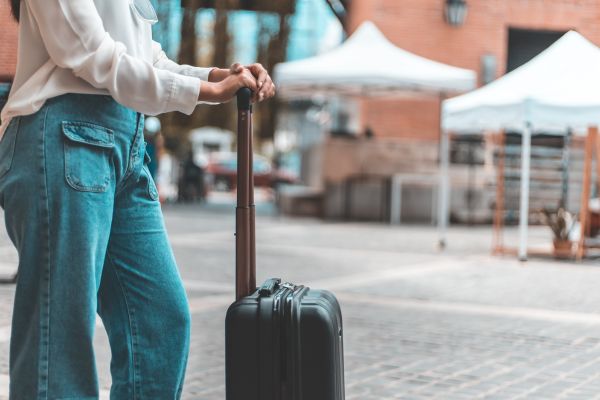
Travel blogging has always had a slightly restless rhythm. One week, you might be chasing sunrise in the mountains. The next, you are editing café photos from a city you left three days ago. Somewhere between packing bags, taking notes, sorting pictures, and actually living the journey, social media still needs attention. That is where social media scheduling tools for travel become genuinely useful.
For travel bloggers, posting online is not just about staying visible. It is about keeping a story alive while moving through different places, time zones, moods, and internet connections. A good scheduling tool helps organize that rhythm without making the content feel stiff or overly planned. It gives structure to the chaos, which is often exactly what travel content needs.
Why Travel Bloggers Need a Different Kind of Scheduling
Travel content does not always happen in a neat routine. A food blogger can often plan posts from a kitchen. A fashion creator might shoot several outfits in one city. Travel bloggers, however, work with changing light, shifting weather, delayed buses, weak Wi-Fi, and moments that cannot be repeated.
This makes social media planning a little more complicated. You may capture a beautiful coastal walk today, but the best time to post it could be two days later when your audience is most active. You may want to share a reel from a market, a carousel from a hotel stay, and a story about a local guide, but posting everything at once can overwhelm your audience.
Scheduling tools help slow things down. They allow travel bloggers to turn raw experiences into thoughtful content, spacing posts in a way that feels natural rather than rushed.
Keeping Content Consistent While You Travel
Consistency is one of the hardest parts of travel blogging. It sounds simple from the outside, but anyone who has traveled while creating content knows how quickly plans can fall apart. A train delay can eat up your editing time. A full travel day can leave no space for captions. Sometimes, you simply want to enjoy a place without thinking about your next post.
Social media scheduling tools for travel make consistency easier without forcing bloggers to stay glued to their phones. You can prepare posts in advance, set publishing times, and keep your feed active even on days when you are offline or exhausted.
This does not mean everything should be automated. Travel content still needs personality. But scheduling gives you breathing room, and that breathing room often leads to better storytelling.
Planning Around Time Zones and Audience Habits
Travel bloggers often face a strange timing problem. You may be in Bali, your audience may be in the United States, and your best posting window may happen while you are asleep. Without a scheduler, staying consistent across time zones becomes tiring very quickly.
A good scheduling tool helps bridge that gap. It lets you plan content based on when your audience is likely to see it, not just when it is convenient for you to post. This is especially helpful for bloggers who travel internationally or write for readers in different countries.
Over time, this kind of planning can make your content feel more steady. Your readers do not need to know that you posted a mountain view while sitting in an airport lounge or sleeping in another time zone. They simply see the story appear when they are ready to engage with it.
Organizing Photos, Captions, and Ideas in One Place
Travel creates a lot of content. There are photos on your camera, videos on your phone, notes in your app, saved locations, voice memos, and half-written captions scattered everywhere. It can become messy fast.
The best scheduling tools help bring these pieces together. They give you a space to plan captions, preview posts, organize media, and see how upcoming content will look. For visual platforms like Instagram and Pinterest, this can be especially helpful because travel content often depends on mood, color, and flow.
A beach post might look better after a city guide. A food carousel might break up a run of landscape shots. A behind-the-scenes reel might add a human moment after several polished destination photos. Planning visually helps the blog’s social presence feel intentional without becoming too perfect.
Choosing Tools That Fit Your Travel Style
Not every travel blogger needs the same tool. Some creators focus heavily on Instagram. Others rely on Pinterest for blog traffic. Some publish short videos across multiple platforms, while others prefer slower, story-driven posts.
The right tool depends on how you create. If your content is mostly visual, a planner with feed preview and media organization may be useful. If your travel blog depends on Pinterest, a tool that supports pin scheduling and seasonal planning may matter more. If you manage several platforms at once, a dashboard that handles multiple channels can save time.
The important thing is not to chase the most complicated option. A simple tool used consistently is often more helpful than an advanced platform that feels heavy and confusing. Travel blogging already has enough moving parts.
Making Space for Spontaneous Moments
One concern many bloggers have is that scheduling can make social media feel less spontaneous. That can happen, especially when every post is planned too tightly. Travel content should still have room for surprise.
The best approach is usually a flexible one. Scheduled posts can handle the steady rhythm, while spontaneous updates can capture the fresh moments. A planned post might share a complete guide to Lisbon, while an unscheduled story shows the tiny bakery you discovered that morning.
This balance keeps content organized but still alive. Readers enjoy polished guides, but they also enjoy small, imperfect glimpses of the road. Scheduling should support those moments, not erase them.
Using Scheduling Tools to Improve Storytelling
A strong travel blog is not just a collection of pretty places. It has movement, context, and emotion. Social media scheduling can help shape that story.
Instead of posting randomly, you can think about how each piece of content connects to the next. A destination might begin with an arrival post, followed by a food recommendation, then a local experience, then a practical guide. This creates a more complete picture for the audience.
It also helps avoid repetition. When content is planned ahead, you can see if you are posting too many similar images or repeating the same caption style. You can vary the pace with reels, carousels, short reflections, travel tips, and personal notes.
That variety makes the content feel more human.
Avoiding the Trap of Over-Scheduling
While scheduling tools are useful, they should not turn travel blogging into a mechanical routine. There is a difference between being organized and becoming detached from the experience.
If every post is planned weeks ahead without space for real-time reflection, the content can start to feel distant. Readers may sense when a blog’s social media presence is running on autopilot.
The best travel creators usually review their scheduled content regularly. They adjust captions, update details, and make sure each post still feels relevant. If a destination changes, a travel delay happens, or a mood no longer fits, it is perfectly fine to move things around.
Scheduling is a tool, not a rulebook.
What to Look for in a Good Travel Scheduling Tool
A useful scheduling tool should make life easier, not more complicated. For travel bloggers, the best features are usually the ones that save time and reduce stress.
A clear content calendar helps you see what is going out and when. Media storage keeps photos and videos organized. Caption drafts allow you to write when inspiration appears, even if the post goes live later. Analytics can show which content connects with readers, helping you understand what your audience enjoys most.
For travel bloggers who work with multiple platforms, cross-platform scheduling can also be useful. Still, each platform has its own style. A caption that works on Instagram may need a different tone on Facebook or Pinterest. Good scheduling is not just copying one post everywhere. It is adapting the same travel story for each space.
Building a More Sustainable Travel Content Routine
Travel blogging can be exciting, but it can also become tiring when every moment feels like content. Scheduling tools help create a healthier rhythm. They allow bloggers to batch tasks, prepare posts during quiet periods, and step away when they need to.
This matters more than many people admit. Creativity needs rest. A blogger who is constantly rushing to post may eventually lose the joy that made the blog interesting in the first place.
With a thoughtful system, social media becomes less of a daily pressure and more of a steady companion to the travel blog. It supports the story without taking over the journey.
Conclusion
Social media scheduling tools for travel are not about removing the human side of travel blogging. They are about protecting it. When used well, they give bloggers more time to observe, explore, write, and connect with the places they visit. They help organize photos, plan posts across time zones, and maintain consistency without demanding constant attention.
The best tool is not always the most expensive or feature-heavy one. It is the one that fits naturally into your travel style and helps your stories reach readers at the right moment. In the end, scheduling is simply a quiet layer of support behind the visible adventure. The heart of the work still belongs to the road, the experience, and the honest way you choose to share it.