
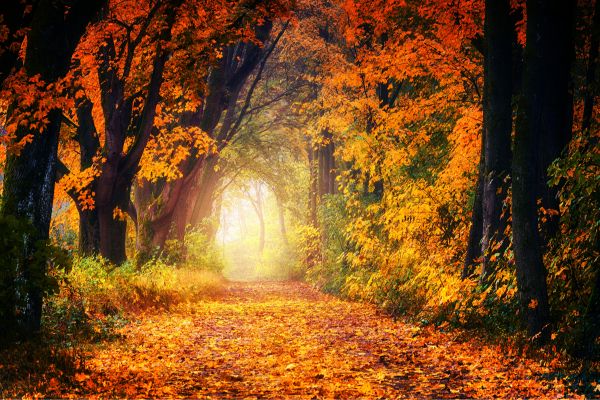
Autumn has a way of making even familiar places feel newly discovered. A quiet road lined with maples, a lake reflecting amber trees, or a single red leaf resting on a wooden bench can suddenly become worth stopping for. It is no wonder so many people reach for their cameras as soon as the season turns. Fall colors feel brief, almost fragile, and photography becomes a way to hold on to them a little longer.
Yet capturing autumn well is not always as simple as pointing the camera at a colorful tree. Bright leaves can look flat in harsh light. A beautiful hillside can turn messy in a photo. The deep reds and golds that looked rich in real life may appear dull on screen. Good fall photography is not only about finding color; it is about noticing light, texture, contrast, mood, and timing.
These Fall Foliage Photography Tips are meant for travelers, casual photographers, phone users, and anyone who wants their autumn images to feel more alive. You do not need the most expensive camera to create memorable shots. You simply need patience, a good eye, and a willingness to slow down.
Chase the Right Light, Not Just the Right Leaves
Fall color is beautiful at almost any time of day, but light decides how that color appears in a photograph. Midday sun can be harsh, especially when it hits bright yellow or orange leaves directly. The result may be washed-out highlights, hard shadows, and a scene that feels less magical than it did in person.
Early morning and late afternoon are usually kinder. Photographers often call these times golden hour because the light is warmer, softer, and more directional. During these hours, autumn leaves can glow from the edges, tree trunks gain depth, and even ordinary paths look more atmospheric. Morning also brings mist, dew, and quieter landscapes, which can add a gentle mood to your images.
Cloudy days should not be dismissed either. Overcast skies work almost like a giant softbox, reducing glare and helping colors appear richer. A gray sky may not look exciting by itself, but it can make red, yellow, and orange leaves stand out beautifully. If the sky feels dull, frame less of it and focus more on the forest floor, reflections, close-ups, or winding trails.
Look for Contrast in the Scene
A photo filled with autumn color can still feel confusing if everything blends together. One of the most useful ways to improve fall foliage photography is to search for contrast. This might be a bright yellow tree against a dark evergreen background, red leaves beside a white fence, or orange branches reflected in deep blue water.
Contrast gives the eye somewhere to land. Without it, a landscape can become a wall of color with no clear subject. When you arrive at a viewpoint, pause before taking the picture. Ask yourself what stands out. Is there one tree brighter than the others? A road pulling the eye into the frame? A cabin tucked between the leaves? A person walking through the scene in a dark coat?
Autumn gives photographers plenty of natural contrast. Dark rocks, wooden bridges, lakes, old barns, stone walls, and cloudy skies can all help colors feel more intense. Even fallen leaves on wet pavement can create a striking image when the tones are balanced well.
Use Composition to Create Depth
Fall scenes are often busy. Branches cross over each other, leaves fill every corner, and the beauty of the moment can become visually crowded. Strong composition helps bring order to that richness.
Instead of photographing a forest straight on, look for layers. Place leaves, grasses, or branches in the foreground, then allow the path, river, or hillside to continue into the background. This creates depth and makes the viewer feel as if they could step into the scene. Roads and trails are especially useful because they naturally lead the eye through the photograph.
Framing also works beautifully in autumn. You can shoot through branches, beneath an arch of trees, or from inside a covered bridge looking outward. Reflections add another layer of interest, especially on still lakes or puddles after rain. A reflection does not have to be perfect. Sometimes a slightly rippled version of the trees feels more painterly and natural.
Do not forget vertical compositions. Many people automatically shoot landscapes horizontally, but tall trees, narrow paths, waterfalls, and single trunks often look stronger in a vertical frame. Try both. The better version may surprise you.
Get Closer to the Details
Wide landscapes are lovely, but autumn’s personality often lives in the small things. A curled leaf caught in moss, raindrops on a red maple, acorns scattered across a trail, or sunlight passing through a thin yellow leaf can tell a quieter, more intimate story.
Close-up shots are useful when the larger landscape feels messy or the light is not ideal. They also allow you to play with texture. Look at the veins of a leaf, the rough bark of a tree, the softness of ferns turning brown, or the contrast between fresh color and early decay. Autumn is not only bright and cheerful; it is also earthy, fading, and a little nostalgic. Details can capture that feeling better than a sweeping view.
If you are using a phone, tap on your subject to focus and adjust exposure slightly if needed. If the background is distracting, move closer or change your angle. Even a small shift can turn a cluttered photo into something calm and intentional.
Pay Attention to Weather and Mood
Some of the most memorable fall photos happen in less-than-perfect weather. Fog softens a forest and adds mystery. Rain deepens the color of leaves and makes roads shine. Wind can scatter leaves through the air, creating movement and energy. Even frost can add a delicate edge to autumn scenes late in the season.
Of course, weather also requires care. Protect your camera or phone from moisture, wear proper shoes, and avoid risky areas during storms. But do not assume you need blue skies to take beautiful pictures. In fact, bright blue skies can sometimes compete with fall colors, while mist and clouds help create atmosphere.
After rain, colors often look richer because wet leaves reflect light differently. This is a wonderful time to photograph forest paths, wooden steps, stone walls, and close-ups. If you find puddles, use them creatively. A small puddle can reflect an entire tree if you lower your camera close enough to the ground.
Include People Without Letting Them Take Over
People can add warmth and scale to fall foliage photos. A person standing beneath a huge maple tree helps show its size. Someone walking down a leaf-covered path can give the image a story. A hand holding a bright leaf can make a simple shot feel personal.
The key is balance. If the article of clothing or pose feels too staged, the image may lose its natural charm. Simple works best. A person looking out over a viewpoint, walking away from the camera, sitting quietly by a lake, or standing near a cabin can create a sense of place without turning the photo into a formal portrait.
Clothing colors matter too. Neutral tones, deep greens, navy, cream, brown, or burgundy often blend well with autumn scenery. Very bright neon colors can distract from the leaves, unless that contrast is the exact effect you want.
Make the Most of Your Phone Camera
You do not need a professional camera to capture beautiful fall images. Modern phones can do a lot, especially when the photographer understands light and composition. Clean your lens before shooting, because pocket dust and fingerprints can soften images without you realizing it.
Avoid zooming too much with a phone, as digital zoom can reduce quality. Instead, move closer when possible. Use portrait mode carefully for leaves, people, or small details, but check the edges afterward because phones sometimes blur parts of the subject by mistake.
Adjusting exposure can make a big difference. Autumn scenes with bright leaves and dark shadows can confuse the camera. Tap the brightest part of the image and gently lower the exposure if the colors look washed out. If the scene feels too dark, raise it slightly. Small changes are usually better than dramatic ones.
Edit Gently for a Natural Autumn Feel
Editing can bring a fall photo closer to what your eye saw, but it is easy to go too far. Over-saturated oranges and reds may look impressive for a second, yet they often feel artificial. A natural edit usually ages better.
Start with small adjustments. Increase warmth slightly if the image feels cold. Add a little contrast if the scene looks flat. Bring down highlights if bright leaves have lost detail. Lift shadows only if the darker areas need help. Sharpness and clarity can enhance texture, but too much can make leaves look crunchy or harsh.
The goal is not to make autumn look unreal. It is to protect the mood you felt when you took the picture. Sometimes the best edit is subtle enough that no one notices it.
Return to the Same Place More Than Once
Fall changes quickly. A hillside that looks mostly green one weekend may glow gold the next. A storm can strip leaves overnight. Morning fog can transform a familiar park into something cinematic. Because of this, returning to the same location can be surprisingly rewarding.
Visit a favorite spot at different times of day and in different weather. Notice how the light moves, where the best color appears, and which angles feel strongest. Familiarity helps you see better. Instead of rushing to capture everything, you begin to understand the place.
This is one of the quieter Fall Foliage Photography Tips, but it may be the most meaningful. Good autumn photography is not always about chasing the most famous viewpoint. Sometimes it is about watching one ordinary place change beautifully, day by day.
Conclusion
Fall foliage photography is about more than collecting colorful images. It is about paying attention to a season that never stays still for long. The light shifts, the leaves turn, the air cools, and every scene seems to carry a little reminder that beauty can be temporary and still feel complete.
With the right timing, thoughtful composition, careful use of light, and a softer eye for details, autumn photographs can become much more than pretty pictures. They can hold mood, memory, and a sense of place. Whether you are using a phone on a neighborhood walk or a camera on a mountain road, the best approach is simple: slow down, look closely, and let the season guide the shot.
The leaves will fall soon enough. Until then, there is plenty worth noticing.