
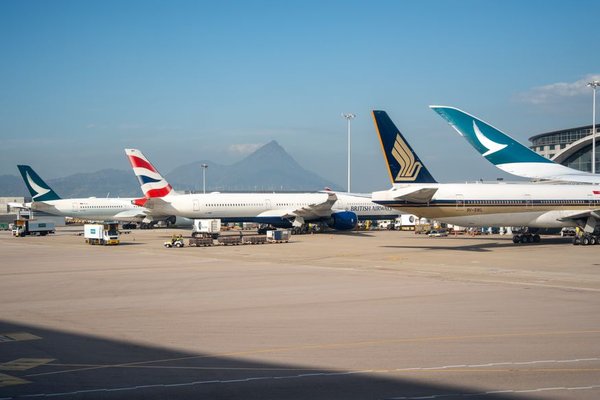
Travelling alone can make an airport feel strangely busy. There is no companion to watch your bag while you find your passport or double-check the departure screen. Yet a smoother journey rarely depends on knowing every airport trick. It comes from reducing decisions while you are there. These solo travel airport tips follow the trip from your front door to your arrival.
Build an airport plan before leaving home
Start with the airline’s app or website. Check the terminal, check-in deadline, baggage allowance and whether you can obtain a mobile boarding pass. For international flights, confirm passport validity, entry requirements and any documents the airline needs to inspect in person. Online check-in does not always remove the need to visit a desk.
Allow time based on your airline’s advice, the airport, your route and whether you are checking a bag. Add a margin if you need to travel during rush hour, find an unfamiliar terminal or complete a document check. Good solo flight planning begins before you join the first queue.
Give essential items fixed places
Keep your passport or accepted identification, phone and boarding pass in one easily reached pouch. Place medication, valuables and necessary chargers in your cabin bag, subject to airline rules. Save booking details and your accommodation address offline. A repeatable system is better than repeatedly emptying your bag to find something.
Choose the right check-in route
When you arrive, look for your flight’s airline and terminal information rather than following the largest crowd. If you have checked luggage, identify the bag-drop area and its closing time. If you only have cabin baggage and a valid boarding pass, you may be able to proceed directly towards security unless document checks are required.
Before handing over a checked bag, remove anything needed during a delay or connection. Examine the baggage receipt and confirm its destination, especially on multi-flight itineraries. Keep the receipt until you have collected the bag. Asking staff to explain a confusing transfer arrangement is easier than discovering a problem later.
Make security a predictable routine
Security rules can differ between airports, including airports on the same journey. Check each airport’s current requirements for liquids, electronics and restricted items. Some checkpoints permit larger liquid containers or let you leave electronics inside bags; others require different preparation. Follow instructions at your actual checkpoint rather than advice remembered from another trip.
As you approach the trays, put loose items into a zipped pocket and prepare anything that must be screened separately. When your belongings emerge, move to the repacking area before reorganising them. Check for your phone, documents, wallet and all bags. This habit prevents the anxiety of wondering whether something was left behind.
Find your gate before settling in
After security, check departure boards even if your mobile boarding pass shows a gate. Gates can change, and boarding may start well before departure. Walk towards the gate first, noting how long it takes, then decide whether you have time for food or coffee.
One of the most useful flying alone tips is to avoid leaving belongings unattended. Take your entire bag when visiting the toilet or buying food. If you want to rest, set an alarm before boarding begins, secure valuables and sit where screen updates are easy to see. Do not rely solely on loudspeaker announcements.
Handle connections one sign at a time
A connecting flight adds questions: Do you need another security check? Will you pass immigration? Is your checked bag transferred automatically? The answers depend on the airports, ticket arrangement and destination. Research the transfer procedure before departure, particularly if you booked separate tickets.
Imagine landing with a 90-minute connection in a large unfamiliar airport. Rather than stopping for a snack, check your onward gate and follow signs for flight connections. If the gate is not listed, find a transfer desk or information screen. Separate tickets can require collecting luggage and checking in again, making a short connection risky. If the incoming flight is late, speak to airline staff promptly.
Deal with delays without losing control
Delays are frustrating when you have nobody beside you to compare information with. Use the airline’s official app, airport screens and service desk rather than rumours in a queue. If a flight is cancelled or a connection seems impossible, ask about rebooking, meals or accommodation support. Passenger rights depend on the route, jurisdiction and circumstances.
Keep your phone charged, carry medication in hand luggage and retain receipts for necessary expenses in case reimbursement applies. Tell someone you trust about a major itinerary change, but avoid sharing booking documents publicly. Planning an alternative arrival route can make a long delay less daunting.
Plan the first hour after landing
Arrival is part of the airport journey. Before flying, check how to reach your accommodation, whether airport transport operates at your arrival time and how you will pay. Save a map and your destination address offline. If you land at night, consider arranging a reputable transfer or checking official taxi arrangements in advance.
Follow signs for immigration, baggage reclaim and customs as required. Verify the carousel on airport screens rather than guessing from the crowd. Check luggage condition before leaving the baggage area and report missing or damaged bags through the airline’s designated process. Compare unsolicited transport offers with airport-authorised options instead of rushing into a decision.
Frequently asked questions
How early should I arrive at the airport when flying alone?
Use your airline’s recommended arrival time and check-in or bag-drop deadline. Allow extra time for unfamiliar terminals, document checks or heavy traffic. Travelling solo does not automatically require arriving much earlier, but a tight schedule creates avoidable stress.
Is it safe to fly alone for the first time?
For most travellers, flying alone is manageable with ordinary preparation. Keep documents secure, use official airport information, watch your belongings and ask airport or airline staff for help when unsure. You do not need to solve every problem without assistance.
What should I keep in my carry-on when travelling solo?
Keep identification, documents, medication, payment methods, your phone, charging equipment and essentials needed if checked baggage is delayed. Review airline limits, security restrictions and battery rules before packing.
What if I miss my connecting flight?
Contact the operating airline or its transfer desk immediately. Rebooking options depend on whether flights are on one ticket, why the connection was missed and fare conditions. Separate-ticket travellers may have fewer protections.
A calmer way to travel through airports alone
You do not need to memorise a terminal to feel confident. Make the next step clear: check in, pass security, confirm the gate, manage your connection and organise your arrival. With essentials accessible and information from official sources, the airport becomes a sequence of manageable tasks rather than one overwhelming experience.