
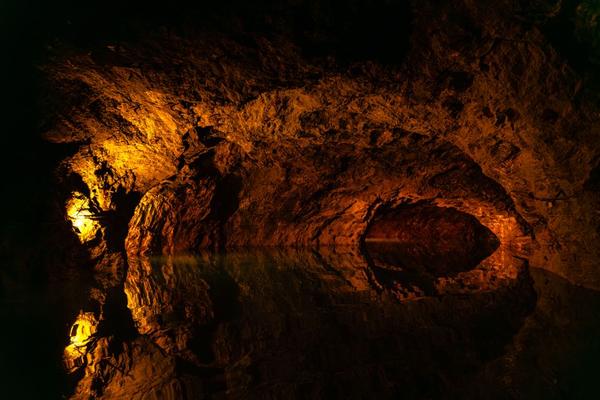
Some of the UK’s most memorable landscapes are hidden beneath its hills. A first caving trip swaps distant mountain views for winding passages, underground streams and chambers shaped over thousands of years. You experience this landscape at close range: listening to dripping water, feeling the rock under your hands and watching daylight disappear behind you.
The best caving adventures in the UK begin not with a daunting descent, but with an achievable route and an experienced guide.
Start with a guided trip, not an unfamiliar cave
For beginner caving in the UK, an organised introductory session is the sensible option. An instructor selects a suitable route, assesses conditions, provides protective equipment and explains what to expect. You can focus on exploring rather than finding your way through an unfamiliar underground system.
Ask about the leader’s caving-specific qualifications. The British Caving Association oversees recognised awards, including the Local Cave and Mine Leader scheme and Cave Instructor Certificate. Tell the organiser about any concerns involving confined spaces, water, mobility or fitness before booking. The aim is a memorable experience, not an endurance test.
Where beginners can try caving in the UK
Yorkshire Dales: limestone passages and streams
The Yorkshire Dales have an extensive limestone cave landscape. The national park identifies Great Douk Cave and the Long Churns area as popular beginner destinations, although the precise route and weather conditions determine suitability. A guided session around Ingleton or elsewhere in the Dales might involve scrambling over rock, stooping and walking beside flowing water.
For a gentler introduction, White Scar Cave or Ingleborough Cave offers a managed visitor experience. A show cave tour is quite different from sporting caving, but can help you decide how comfortable you feel underground.
Peak District: pair a cave with a climbing weekend
The Peak District is an appealing choice if you already enjoy climbing or hillwalking. Experienced local providers offer guided caving, while the visitor caverns around Castleton provide easier underground sightseeing. Book the caving activity separately from any climbing session, and check each activity’s equipment and weather requirements.
Mendip Hills: a Somerset caving tradition
The Mendips have a long-established caving community and a range of limestone passages. Guided trips offer active exploration; show caves at Cheddar Gorge provide a less strenuous alternative. Check the precise activity description because a ticket to a visitor cave is not the same as a guided adventure underground.
South Wales: combine caves with the hills
South Wales, including the limestone country around Bannau Brycheiniog (Brecon Beacons), offers further options for underground adventures in the UK. Compare guided trips by their physical demands, tight sections and exposure to water, rather than booking solely from impressive photographs.
What happens on a first caving trip?
An introductory route may involve walking over uneven rock, ducking beneath low ceilings, making simple scrambles and perhaps passing through shallow water. Other routes demand crawling or squeezing through confined passages. Technical rope descents and challenging through-trips are not necessary for a first experience.
Before paying, ask three things: How long will we be underground? Are there any unavoidable squeezes or deep-water sections? Is there an easier alternative if someone feels uncomfortable? These answers are usually more useful than a vague “beginner-friendly” label.
What to wear and bring
Caves can feel cold and damp even on a warm summer afternoon. Many operators provide helmets, headlamps, oversuits and suitable footwear, but arrangements vary. Confirm the kit list rather than assuming everything is included.
Wear warm synthetic or thermal layers beneath the supplied gear and avoid cotton jeans, which become heavy and chilly when soaked. Bring socks and clothing you are happy to get muddy. A helmet and reliable hands-free lighting are essential; your phone torch is not appropriate caving equipment.
Keep a towel, a warm layer and a complete change of clothes at the meeting point. That small decision makes a huge difference after a wet session. If you wear glasses, ask how best to secure them.
Why rainfall can change your plans
Underground streams may respond to rain falling elsewhere in the catchment, not just at the cave entrance. Flooding is a serious hazard, and apparently settled weather at the start of a trip does not guarantee safe conditions below ground.
An experienced guide considers recent rainfall, forecasts, the particular cave’s water behaviour and available alternatives. If a guided caving UK operator postpones or changes the itinerary after heavy rain, that is good safety practice. Do not attempt an unguided visit to an unfamiliar wild cave because the entrance appears dry.
Fitness, confidence and tight spaces
You need not be a skilled climber, but many introductory trips require balance, bending and steady movement over slippery or uneven ground. If kneeling, crouching or enclosed spaces worry you, explain that beforehand. Some routes are comparatively spacious; others include unavoidable squeezes.
A show cave is a worthwhile first step if you want to test your reaction to the underground environment before committing to active caving.
Plan a realistic first underground day
Imagine a weekend in the Yorkshire Dales. Reserve a beginner-specific guided session, explain that nobody in the group has caved before and request a route without mandatory tight crawls. Check the meeting instructions the evening before, pack dry clothing and allow extra time for the journey.
During the trip, stay with the group, follow the instructor’s directions and speak up if you become cold or uneasy. Do not explore side passages independently. If you later join a caving club, learn proper planning, equipment checks and surface call-out procedures before undertaking independent trips.
To build a wider outdoor weekend, a beginner rock climbing guide, hillwalking essentials checklist and outdoor clothing layering guide are useful next reads.
Protect the places you explore
Delicate cave formations can take very long periods to develop. Avoid touching them, follow established routes and carry all litter out. Observe access restrictions and any special conservation instructions. Careful visitors help keep these environments intact for future generations.
Make the first trip about discovery
There is no prize for reaching the narrowest tunnel or deepest chamber. Choose a route that fits your group, rely on qualified guidance and enjoy the unusual perspective beneath familiar British landscapes. If you want more, a local caving club or skills course offers a sensible next step.
Frequently asked questions
Is caving safe for complete beginners?
Caving involves real hazards, including falls, cold and flooding. A suitable guided trip with an experienced leader reduces risks but cannot eliminate them. An unfamiliar cave should never be treated like a casual footpath.
Will I have to crawl through narrow tunnels?
Not necessarily. Some beginner trips have spacious passages, while others include unavoidable crawls. Ask the provider to describe tight sections before booking.
Can children join caving trips?
Some operators run family sessions, but minimum ages, supervision and route requirements differ. Check directly and choose a trip designed for your group.
Can you go caving in winter?
Yes, on suitable routes with appropriate planning. Rainfall, water levels and individual cave conditions matter more than the season alone. Organisers may change or cancel a trip when conditions are unsafe.