
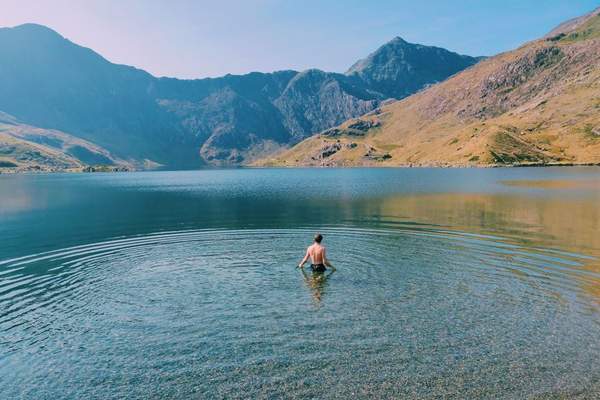
Wild swimming in the UK can mean a mountain-lake dip, a river swim beneath woodland, or a sea plunge from a sandy cove. The best wild swimming spots UK travellers can choose are not simply the prettiest places on a map; access, conditions and the type of swim need to suit the person getting into the water.
Open water changes quickly. A calm lake can be bitterly cold, a river can rise after rain, and a sheltered bay can develop strong currents as the tide turns. This shortlist mixes memorable scenery with practical considerations, helping you match each place to your confidence level.
Wild swimming spots worth planning a trip around
Llyn Padarn, Eryri, Wales
Llyn Padarn near Llanberis is an approachable freshwater option in Wales. The glacial lake has dramatic mountain views and nearby facilities without feeling overly managed. It is also a designated bathing water, so water quality is monitored during the bathing season.
The lake is deep and cold, with steep drop-offs in places, so enter gradually and stay close to your exit point. It is a strong first choice for lake swimming in North Wales, and pairs naturally with a weekend guide to Eryri for a longer outdoor break.
Wastwater, Lake District, England
For sheer drama, Wastwater is hard to beat. Surrounded by the Wasdale fells, it is the deepest lake in the Lake District, and recreational swimming is permitted. The scale of the place is also a reason not to treat it like a casual beach dip.
Lake District guidance recommends swimming close to shore, using a bright hat and tow float, and entering slowly. The water can remain cold even when the air feels warm. Wastwater suits confident swimmers who want a remote-feeling landscape and are prepared to keep the swim conservative.
Sharrah Pool, River Dart, Devon
Sharrah Pool offers the woodland version of wild swimming UK visitors often imagine: granite boulders, trees and a long natural pool on the River Dart. Reaching it involves a walk through Holne Woods, adding to the sense of escape.
Rainfall is the key variable. Dartmoor rivers can rise rapidly, and the River Dart becomes faster after wet weather. If the river looks high, brown, fast or unusually turbulent, save the swim for another day. Avoid jumping from rocks; submerged hazards and changing depth are difficult to judge from the bank.
Loch Insh, Cairngorms, Scotland
Loch Insh sits between remote cold water swimming and a managed activity venue. Cairngorms National Park highlights it for swimming and watersports, with nearby facilities. It suits travellers who want a Highland setting without starting at an isolated loch.
The water can still be cold and is shared with other users. Make yourself visible, stay aware of activity on the loch and check local notices before entering. It also fits neatly into a Cairngorms outdoor adventure itinerary.
Portobello Beach, Edinburgh, Scotland
Portobello Beach combines easy city access with a strong local swimming culture and designated bathing water status. It is a practical choice for travellers who want cold water swimming without organising a rural expedition.
Check the tide, wind and wave forecast before entering. Sea temperatures can be cold even on sunny days, so keep the first dip modest and have warm layers ready afterwards.
Porthdinllaen, Llŷn Peninsula, Wales
Porthdinllaen delivers the coastal-cove experience. The sandy bay on the Llŷn Peninsula feels tucked away and is more sheltered than many exposed beaches. It is not generally lifeguarded, however, so calm-looking water should never be treated as automatically safe.
Choose settled weather, understand the tide and keep the swim close to shore. A short, controlled dip can be more rewarding than trying to cover distance. The location also works well with a North Wales coastal walks guide.
Portstewart Strand, Northern Ireland
Portstewart Strand offers two miles of sand on Northern Ireland’s north coast. Seasonal lifeguard cover is available at certain times. When lifeguards are present, swim between the red and yellow flags and follow beach signage.
The Atlantic remains unpredictable, so pay attention to tide, wind and surf. For newer sea swimmers, choosing a lifeguarded section in calm conditions is a better decision than heading to an unstaffed cove simply because it looks quieter.
How to choose the right outdoor swimming spot
Match the location to the risks you are comfortable managing. Lakes remove tides but can be very cold and suddenly deep. Rivers may have beautiful sheltered pools but react quickly to rainfall. Coastal locations add tides, waves, rip currents and changing winds.
- First freshwater swim: choose a popular lake with straightforward entry and exit points and other people nearby.
- River swim: avoid periods after heavy rain and watch for fast flow, debris or discoloured water.
- Sea swim: check tide and weather forecasts and use lifeguarded areas where available.
- Cold water swim: enter gradually, keep the first dip short and have dry layers ready.
Safety checks to make before getting in
The RNLI treats water at 15°C and below as cold enough to trigger cold water shock. It can cause an involuntary gasp and rapid breathing, so jumping straight into deep water is a poor idea. Enter slowly, focus on controlling your breathing and remain within easy reach of the shore.
Water quality matters too. In England, check the Environment Agency’s bathing water information before visiting designated sites, especially after heavy rain. Wales, Scotland and Northern Ireland have their own official monitoring services. Designation provides monitoring, not a guarantee of perfect conditions every day.
Imagine arriving at a river pool after two days of heavy rain and finding the water moving much faster than expected. The sensible choice is not to “stay near the edge”; it is to skip the river and choose a managed lake or lifeguarded beach instead. Good wild swimming often depends on being willing not to swim.
Frequently asked questions
Is wild swimming legal everywhere in the UK?
No. Access rights and swimming permissions vary by country, landowner and type of water. Reservoirs are especially likely to have restrictions. Check local rules and signs before entering, and never assume a scenic lake or quarry is open for swimming.
What should I wear for wild swimming?
A wetsuit can provide warmth and extra buoyancy, while a bright swim cap and tow float improve visibility. After the swim, dry quickly and put on warm layers.
When is the best time for lake swimming in the UK?
Late spring through early autumn usually offers milder conditions, but UK lakes can remain cold throughout summer. Calm weather, good visibility and a clear exit point matter more than the month alone.
Should beginners swim alone?
No. Swim with another person, join a local group or use an organised session. Even strong pool swimmers can be surprised by cold, wind, waves, depth and currents in open water.
Make the swim fit the place
The best outdoor swimming spots need not be remote. Llyn Padarn offers mountain scenery with useful facilities, Sharrah Pool rewards careful river planning, Wastwater delivers drama, while Portstewart and Portobello provide easier coastal access. Pick a place that matches your ability, check live conditions and walk away if the water does not look right. That judgement is part of the adventure.