
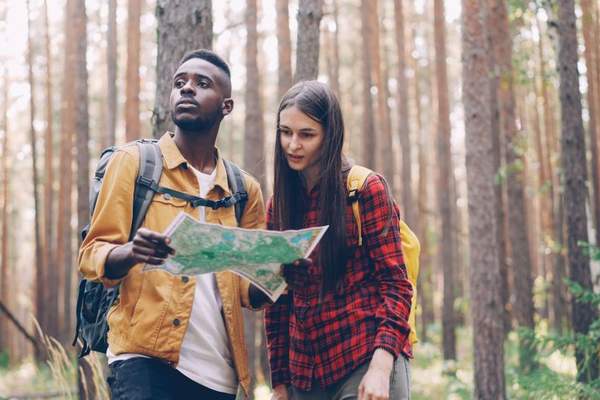
Choosing between guided and self-guided hiking holidays in the UK is less about how far you can walk and more about how much responsibility you want to carry. Two holidays can follow the same trail yet feel completely different. On one, a leader sets the pace and handles route decisions. On the other, you choose when to start, where to stop and how to respond when plans change.
The right format depends on navigation confidence, appetite for company, budget and tolerance for organising details. Here is how the options compare.
What are you actually booking?
Guided hiking holidays in the UK generally involve an organised itinerary led by a walking guide. You might join a group or book a private leader. The guide manages navigation, assesses conditions and helps everyone maintain a suitable pace. Accommodation, meals and transport vary by provider.
Self guided walking holidays are not necessarily do-it-yourself trips. An operator may arrange accommodation and luggage transfers, provide maps and route notes, and offer telephone support. You still walk without an accompanying leader and make your own on-the-day decisions. Booking everything independently is a third option.
Planning effort: what gets taken off your plate?
A guided trip removes much of the daily decision-making. You arrive knowing the meeting point, walking schedule and group arrangements. That is attractive when you lack time to research unfamiliar terrain.
An organised self-guided package can also remove tedious bookings, especially across several overnight stops. However, you must understand the directions, assess each day’s distance and know how to shorten a walk if necessary. Check exactly what the operator arranges: route notes are not live navigation support, and a help number does not promise immediate rescue.
Navigation and safety make the biggest difference
On a guided walk, the leader normally takes charge of route-finding and responds to changing conditions. This can be reassuring on exposed hills, where mist or heavy rain makes a familiar-looking path difficult to follow. A guide cannot eliminate risk, however. You still need suitable fitness, footwear and clothing.
Without a leader, you must navigate when signs are missing or visibility drops. Ordnance Survey advises checking forecasts, planning routes, carrying suitable equipment and knowing how to use a map and compass. Downloaded digital maps help, but a flat phone battery should not leave you stranded.
For an early independent trip, choose a well-defined lower-level route rather than a remote mountain crossing. Practise reading an OS map beforehand and identify a realistic bad-weather alternative.
Flexibility versus a shared timetable
Self-guided travel gives you control over everyday pleasures: a long café stop, an unexpected viewpoint or an early finish when rain arrives. You can often choose your departure time and spend longer in places you enjoy.
That freedom has limits. If accommodation and luggage transfers are booked for the next village, you still need to reach it or arrange transport. Check whether shorter route variants are available.
Guided groups follow a common timetable because the leader must consider everyone. The reward is spending less time debating junctions or researching tomorrow’s route over dinner.
Company changes the atmosphere
Guided trips suit people who enjoy meeting fellow walkers. Shared effort can make a climb feel shorter, while a knowledgeable leader may explain local history or wildlife. Ask about group size and pace; a friendly group may still be frustrating if walking speeds differ.
Self-guided holidays suit couples, friends and solo walkers who value quieter days. Solo travellers should check single-room supplements, transport and phone coverage. Neither format guarantees company or solitude throughout.
Cost: compare what is included
Guided trips often cost more because you pay for a leader’s time and group organisation. Yet they may offer good value when accommodation, transfers or meals are included.
Self-guided packages can cost less, but luggage transport, single-room supplements, train fares and food change the final bill. Fully independent walking may be cheaper, although it takes more planning.
For a fair hiking tour comparison, price the same number of nights and walking days. Look at transfers, meals, cancellation terms and weather-related changes. The cheapest advertised package is not always the cheapest holiday.
A Lake District example
Imagine planning three days around Keswick. You regularly walk in the countryside but have never navigated across a misty fell. A guided small-group itinerary on suitable routes could help you build confidence while a leader manages difficult route decisions.
Now imagine travelling with a friend who can read contours, use a compass and adjust plans for poor weather. A self-guided break on lower-level paths could give you more time for photographs and spontaneous stops. A guide to Lake District walking routes can help you shortlist days with manageable distance and ascent.
Neither format is automatically safer. Match the terrain and support to the abilities of everyone travelling, not just the most adventurous walker.
How to decide
Ask yourself three questions. Could you navigate without mobile reception? Would you feel comfortable changing a route if conditions deteriorated? Would you rather meet new people or spend time with your companions?
Choose guided walking if navigation worries you, local interpretation appeals or you like a ready-made group. Consider self guided walking holidays if you are comfortable making route decisions and value control over stops and pace. A navigation course or privately guided day can bridge the gap.
Before booking any walking holiday options, check daily distance, ascent, terrain descriptions, inclusions and, for guided trips, group size. A UK walking holiday packing checklist will help you prepare for changeable conditions even on gentle routes.
Frequently asked questions
Are self-guided hiking holidays suitable for beginners?
Some are, particularly shorter routes over straightforward terrain. Beginners still need basic navigation skills and realistic daily distances. Route notes do not replace personal judgement.
Do guided walking holidays include accommodation?
Many multi-day packages do, but arrangements vary. Confirm whether meals, transfers and travel to the starting point are included.
Can I change the route on a self-guided holiday?
Often you can adjust your walk, but booked accommodation and luggage transfers may restrict changes. Ask about alternatives before departure.
Are guided trips better for solo travellers?
They make meeting people easier and remove the burden of navigating alone. Confident solo walkers may prefer independent flexibility with a sound route plan and check-in arrangements.
Choosing the holiday that fits
Guided walks trade some independence for shared expertise and company. Self-guided breaks exchange that support for freedom and personal pace. Choose your terrain, assess your skills realistically, then book the format that makes walking the highlight rather than a source of stress.