
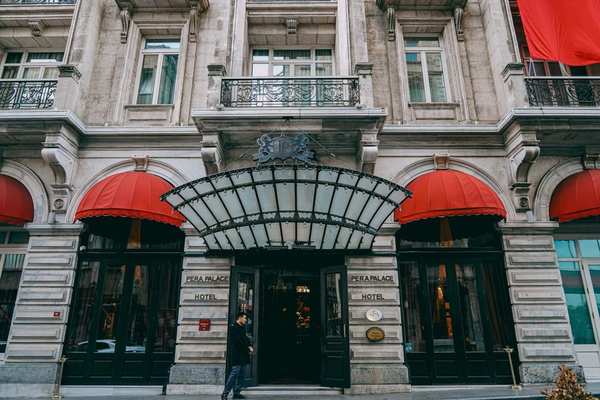
Two nearby hotels can offer very different stays. One has locally made furniture, individually styled rooms and a reception team full of neighbourhood recommendations. The other offers a familiar layout, established check-in procedures and facilities you recognize. In a boutique hotel vs chain hotel comparison, neither is automatically better. The right choice depends on what will make your trip enjoyable, comfortable and straightforward.
Boutique hotels often attract travellers seeking character. Chain hotels appeal to people who value predictability. But those distinctions are starting points, not guarantees.
What is the real difference?
A boutique hotel is typically a relatively small, design-conscious property with an individual identity. Its atmosphere may reflect the building, neighbourhood or owner’s vision. Many are independent, but some belong to international hotel groups.
A chain hotel operates under a shared brand with standards covering aspects of service and accommodation. A branded hotel might be owned, managed or franchised, so experiences can differ even within the same chain.
An independent hotel simply operates outside a major brand. It might be a boutique retreat, a business property or a traditional seaside hotel. The terms are not interchangeable: boutique describes an approach to hospitality, while chain describes a brand relationship.
Design and atmosphere
Boutique properties frequently turn the hotel itself into part of the destination. Historic details, regional artwork and distinctive dining spaces can make a city break feel more connected to its surroundings.
Chain hotels often favour recognizable room layouts and furnishings. That familiarity can be comforting after a tiring journey. However, some luxury chains showcase local architecture, while some boutique rooms sacrifice storage or practicality for striking design.
Before booking, study recent guest photographs. Check bedside sockets, luggage space, bathroom privacy and desk size. A beautiful room should still function well.
Service: personal versus systematic
At a smaller boutique hotel, staff may remember your plans and suggest restaurants beyond the usual tourist circuit. That personal touch is especially valuable if you enjoy exploring without a fixed itinerary.
Chains may have larger teams, standardized procedures and support channels for changes or complaints. These systems can help with late arrivals or maintenance problems, but service quality still depends on the individual property.
For an anniversary getaway, thoughtful recommendations might matter most. For a work trip ending with a midnight arrival, confirmed 24-hour reception could be more useful than a personalized welcome.
Consistency and room comfort
Consistency is a major attraction of chain hotels. Returning guests may recognize the bedding, workspace or breakfast format. Even so, brand tiers, building age and renovation schedules produce noticeable differences between locations.
Boutique hotels vary more widely. A converted historic building might offer a memorable setting but also narrow staircases, compact bathrooms or street noise. Another independent hotel could outperform a chain on every comfort measure.
Read recent reviews for repeated comments on cleanliness, climate control, soundproofing and mattress quality. If accessibility is essential, confirm the exact room and route from the entrance rather than relying on a general listing label.
Amenities and practical facilities
Larger chain properties may provide gyms, meeting rooms, laundry services and all-day reception. Boutique hotels may instead focus on a distinctive restaurant, intimate lounge or rooftop terrace. Yet a limited-service chain can be quite basic, while an upscale boutique property may have an extensive spa.
List your non-negotiables: parking, lift access, reliable Wi-Fi, breakfast hours, connecting rooms or a suitable workspace. Check the specific property, not the category. If room names are confusing, consult [hotel room types explained] before paying extra for an upgrade.
Loyalty rewards and booking benefits
Frequent travellers often have a practical reason to choose a chain: loyalty programmes. Eligible stays may earn points, count towards elite status or qualify for perks such as late checkout. Benefits vary by programme, booking rate and hotel, and some are subject to availability.
An independent hotel may offer better direct-booking terms, a welcome extra or its own rewards scheme. Some independent-looking hotels also participate in broader collections and loyalty networks.
Compare real benefits rather than assuming points always beat cash savings. Breakfast matters only if you will eat it; flexible cancellation may be worth more on an uncertain itinerary. See [hotel loyalty programmes explained] for a deeper comparison.
Location and total price
Boutique hotels are common in older districts and neighbourhoods with independent shops. Chains are often convenient near transport hubs, airports and business centres. Neither pattern is universal.
A characterful hotel far from your attractions can mean extra taxis and lost sightseeing time. A less distinctive property near the station might actually deliver a better experience.
Compare the complete stay cost: room rate, taxes, mandatory fees, breakfast, parking and transport. Check cancellation deadlines and advance-payment requirements. Boutique does not automatically mean expensive, just as chains are not necessarily budget-friendly.
Which hotel type suits your trip?
Romantic breaks and special occasions
A boutique stay can make the accommodation feel like part of the celebration. Prioritize quiet rooms, attentive service and an atmosphere you genuinely like, not photographs alone.
Business trips and short stopovers
A chain may be the easier choice when you need predictable working facilities, late-arrival arrangements or a familiar booking process. Verify those features at the individual branch.
Families and longer holidays
Room configuration, storage, laundry and food costs matter more than the label. A spacious independent property may beat a cramped chain room; an extended-stay brand may offer a useful kitchenette.
How to compare two actual hotels
Imagine arriving in Lisbon at 11 p.m. for a three-night break. A boutique hotel in a historic building looks inviting, but reception closes at 10 p.m. A nearby chain has overnight staff but charges extra for breakfast. Neither detail alone settles the choice.
Ask the boutique property whether late self-check-in is confirmed and simple. Calculate each total bill, including breakfast and likely transport. Read recent reviews about noise, stairs and arrival instructions. Then consider how much time you will actually spend enjoying the hotel’s atmosphere.
This approach uncovers practical trade-offs that promotional photographs cannot show. For more help, see [how to choose the best hotel location].
Frequently asked questions
Are boutique hotels always independent?
No. Many are independently owned, but established groups also run boutique-style brands. Check the property’s affiliation if independence matters to you.
Are chain hotels cheaper than boutique hotels?
Not always. Both categories span budget to luxury. Compare the same dates, similar room types and the complete price rather than the advertised nightly rate.
Do boutique hotels have fewer amenities?
Some do because of their size, but luxury boutique properties can offer restaurants, spas and concierge services. Confirm the facilities you plan to use.
Which is better for a first visit to a city?
A central boutique hotel can offer atmosphere and local advice. A well-located chain may simplify transport and check-in. Your itinerary should decide.
Choosing the better experience
The boutique hotel vs chain hotel decision comes down to personal priorities, not a universal winner. Choose a boutique property when distinctive surroundings and individual attention will enrich your stay. Favour a chain when familiar standards, practical facilities or loyalty benefits make travel easier. Compare recent reviews, room details and booking conditions before committing; the best hotel is the one that suits how you will actually travel.