
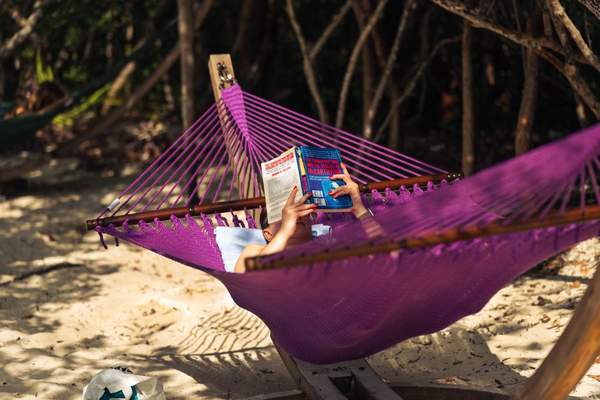
For years, holidays have often been treated like a race. Travellers land in one city, rush through the main attractions, move on to the next destination and return home needing another break. In 2026, that approach is beginning to lose its appeal. More UK travellers are choosing longer stays, fewer stops and itineraries that leave space for genuine rest.
This shift has made slow travel holiday ideas increasingly attractive. Slow travel is not about doing nothing or avoiding famous landmarks. It is about experiencing a destination at a more natural pace, allowing time for local food, spontaneous discoveries and meaningful connections. It can also feel quietly luxurious, not because every part of the trip is expensive, but because time and freedom become the real indulgences.
Why Slow Travel Is Shaping Holidays in 2026
Slow travel 2026 reflects a wider change in how people think about their time away. After years of tightly packed itineraries, airport queues and pressure to see everything, many travellers are questioning whether a busy holiday is actually a satisfying one.
A slower trip removes some of that pressure. Instead of visiting three countries in ten days, you might spend the entire holiday exploring one region. Rather than changing hotels every other night, you could settle into an apartment, villa or small boutique property and create a comfortable routine.
This style of travel is particularly suitable for couples, families, remote workers and anyone looking to recover from a demanding schedule. It offers flexibility without sacrificing quality. You can still enjoy memorable meals, beautiful hotels and private experiences, but the itinerary no longer controls every hour of the day.
Stay in One European Region for Longer
One of the simplest slow travel holiday ideas is to choose a single region and explore it properly. Europe offers plenty of destinations where towns, countryside and coastline can be enjoyed without constant packing and unpacking.
Tuscany is an obvious choice for longer stay holidays. A countryside villa can become your base for visiting local markets, vineyards, medieval villages and cities such as Florence or Siena. Instead of rushing between attractions, you can spend mornings over coffee, take relaxed afternoon drives and return to the same peaceful setting each evening.
Other strong options include Provence, the Algarve, Andalusia and the Greek islands. The key is to select an area with enough variety to remain interesting while still allowing you to travel slowly. A well-positioned base gives you the freedom to take day trips without turning the entire holiday into a transport schedule.
Choose a Coastal Town Instead of a Busy Resort
Large resorts can be convenient, but smaller coastal towns often provide a more authentic setting for mindful travel. Staying somewhere with a local bakery, neighbourhood restaurants and a walkable seafront encourages you to settle into the rhythm of everyday life.
Consider spending two weeks in a Portuguese fishing town, a quiet corner of Mallorca or a less-developed part of the Croatian coast. You can swim when the weather suits, return to favourite cafés and explore nearby beaches without feeling that every day needs a major activity.
This does not mean giving up comfort. Many smaller destinations offer elegant guesthouses, renovated villas and high-end apartments. The difference is that the luxury feels more personal and less manufactured. Service, privacy and location become more important than having dozens of facilities on the doorstep.
Plan a Rail-Based Journey with Fewer Stops
Rail travel can support a slower holiday when the route is kept simple. The mistake is trying to squeeze too many cities into one trip. A better approach is to choose two or three bases and spend several nights in each location.
For example, you could travel through Switzerland with extended stays in Lucerne and the Bernese Oberland, or combine Paris with a week in the French countryside. Italy also works well for slower rail journeys, particularly when major cities are paired with quieter regional destinations.
Travelling by train allows you to see the landscape change without the repeated stress of airport security and baggage restrictions. It also makes the journey feel like part of the holiday rather than a task that must be completed before the holiday begins.
Book a Rural Retreat Close to Nature
A rural escape is ideal for travellers who want fewer distractions and more time outdoors. Mountain cabins, countryside estates, lakeside lodges and converted farmhouses can all provide a calmer alternative to a traditional city break.
Scotland, Wales and the English countryside offer accessible options for UK travellers who do not want to fly. Further afield, the Austrian Alps, Slovenia and northern Spain combine striking scenery with comfortable accommodation and excellent regional food.
The aim is not to fill every day with hiking or organised activities. A slow rural holiday might include a morning walk, a long lunch, an afternoon reading outdoors and an unplanned drive to a nearby village. These simple experiences often become the most memorable parts of the trip.
Try an Extended Island Stay
Island hopping can sound exciting, but it often involves ferry timetables, repeated transfers and short stays that barely allow you to understand each destination. For a calmer alternative, choose one island and stay long enough to explore beyond the main tourist area.
Crete, Sicily, Madeira and Tenerife are large enough to offer varied landscapes, historic towns and different types of accommodation. You could divide your time between two parts of the same island rather than flying or sailing to multiple destinations.
An extended island stay also makes it easier to enjoy quieter experiences. You may discover family-run restaurants, uncrowded walking routes and local beaches that would be missed during a short package holiday.
Use Bespoke Holiday Planning to Protect Your Time
Bespoke holiday planning can be especially valuable for slow travel because it focuses on the quality of the itinerary rather than the number of activities included. A carefully planned trip may arrange private transfers, well-located accommodation and a small number of meaningful experiences while preserving plenty of free time.
The best slow itineraries provide structure without becoming restrictive. A food tour, vineyard visit or guided cultural experience can help you understand the destination, but the rest of the day should remain open. This balance prevents the holiday from feeling empty while avoiding the pressure of a rigid timetable.
When planning, pay attention to travel time between locations. A destination may look close on a map but require several connections. Choosing direct routes and staying longer in each place can make a significant difference to the overall mood of the trip.
How to Make Any Holiday Feel Slower
You do not need a month-long break to practise mindful travel. Even a seven-night holiday can feel calmer when you reduce the number of hotel changes and daily commitments.
Choose accommodation in a neighbourhood where you can walk to cafés, restaurants and local shops. Leave at least a few days completely unplanned. Avoid booking early-morning activities after late arrivals, and resist the temptation to visit every attraction recommended online.
It also helps to spend less time documenting the trip and more time noticing it. Photographs are valuable, but constant posting can create another schedule to manage. A slower holiday gives you permission to enjoy a view, meal or conversation without immediately turning it into content.
Frequently Asked Questions
What are the best slow travel holiday ideas for UK travellers?
Popular options include staying in one European region, booking a rural retreat, choosing a quiet coastal town, taking a simple rail journey or spending an extended period on one island. The best choice depends on whether you prefer culture, nature, food or time by the sea.
Is slow travel more expensive than a traditional holiday?
Not necessarily. Longer stays may unlock better accommodation rates, while fewer transfers can reduce transport costs. Slow travel can become expensive when it includes luxury properties or private experiences, but the basic approach works across a wide range of budgets.
How long should a slow travel holiday last?
There is no fixed minimum. A week in one destination can feel slower than a two-week trip covering several countries. What matters is allowing enough time to settle in and avoiding an itinerary filled with constant movement.
Can families enjoy slow travel?
Yes. Families often benefit from staying in one comfortable base, particularly when travelling with younger children. Longer stays can create easier routines, reduce packing and give everyone more flexibility to rest between activities.
A Calmer Way to See More
The appeal of slow travel is not simply that you visit fewer places. It is that you experience the places you choose with more attention. Longer mornings, familiar streets and unscheduled afternoons create a sense of connection that rushed itineraries rarely provide.
As slow travel 2026 continues to influence UK holiday planning, the most rewarding trips may be those that leave something out. By choosing fewer destinations and giving each one more time, your next holiday can feel calmer, richer and far more restorative.