
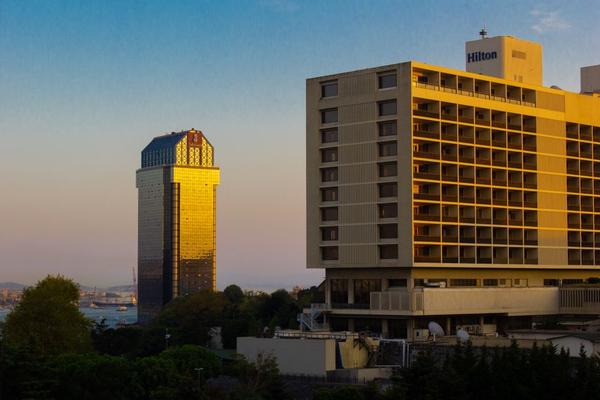
For years, the hotel was the practical part of a holiday: somewhere comfortable to return to after seeing the “real” destination. In 2026, that hierarchy is changing. Travellers are increasingly choosing the property first, then shaping the journey around its architecture, food, wellness, landscape and sense of place. Expedia’s 2026 trends highlight character-rich “salvaged stays” and hotel hopping, while Europe’s pipeline of major openings has given UK travellers more reasons to plan hotel-led holidays close to home or a short flight away.
The strongest destination hotels do more than provide beautiful rooms. They create enough rhythm for an entire break: a slow breakfast, a spa afternoon, a memorable dinner, a garden walk and perhaps one well-chosen excursion. These are the standout hotel stays worth placing at the centre of a 2026 itinerary.
Six Senses London: an urban wellness break without the airport
Six Senses London opened at The Whiteley in Bayswater in 2026, bringing the brand’s wellness-focused approach to the UK for the first time. Near Hyde Park, its spa, movement spaces, dining and social wellness concept make staying in feel like part of the trip rather than a compromise.
This is a convincing choice for a two-night London reset. Arrive early, keep the first afternoon free for the spa, walk through Hyde Park the next morning and book one cultural outing rather than filling every hour. It is a useful example of the hotel as destination in a city where travellers usually feel pressure to rush between attractions.
The Lake Como EDITION: contemporary lakeside living
The Lake Como EDITION began welcoming 2026 stays in March, reworking a historic 19th-century palazzo with a more contemporary, understated mood. Waterfront access, a private dock, terraces and a floating pool make the lake feel integrated into the property rather than simply visible from it.
For UK travellers, it works as a long weekend with little logistical clutter. Build the break around the hotel, then add one boat journey, one village lunch and one unhurried evening on the terrace. The result is slower and often more satisfying than trying to tick off several towns in a single trip.
Villa San Michele, Florence: a Renaissance retreat reborn
Villa San Michele reopened in April 2026 after an 18-month renovation. Set in the Fiesole hills above Florence, the former monastery combines city access with the feeling of a separate retreat. The renovation introduced the hotel’s first spa while preserving the architecture and elevated views that have long defined the property.
This is one of the best boutique hotel breaks for travellers who want Florence without spending every moment in its busiest streets. Plan a museum morning and a late lunch in the city, then return uphill for the afternoon. The contrast between Renaissance intensity and garden calm is precisely what makes the hotel worth organising the trip around.
Orient Express Venezia: sleeping inside the story of Venice
Orient Express Venezia opened in 2026 within Palazzo Donà Giovannelli, a 15th-century palace in Cannaregio. Its layered Gothic and Baroque character gives the stay a strong narrative before guests even step outside. The building itself feels like an encounter with Venice’s history.
Cannaregio also encourages a gentler itinerary. Instead of commuting repeatedly to the busiest landmarks, spend time along quieter canals, visit local bacari and take one early-morning journey towards St Mark’s Square. The hotel becomes both a destination and a lens through which to experience the city.
Airelles Palladio, Venice: gardens, water and room to pause
Airelles Palladio brings another distinctive 2026 option to Venice, this time on Giudecca in a 16th-century property surrounded by gardens. A short boat ride connects it with St Mark’s Square, yet the separation is meaningful: guests can engage with central Venice, then retreat to greenery, water and a more spacious pace.
Choose it when the aim is restoration rather than constant sightseeing. It suits couples planning a three-night celebration, as well as travellers who have visited Venice before and no longer need to race through a first-timer checklist.
Villa San Michele or Lake Como? Match the hotel to the mood
The best destination hotels are not automatically the grandest or newest. The right choice depends on how you want the days to feel. Choose Six Senses London for a low-effort wellness reset, Lake Como EDITION for water and modern design, Villa San Michele for culture balanced by retreat, Orient Express Venezia for architectural theatre, or Airelles Palladio for privacy and garden calm.
A practical booking rule is to identify three experiences you genuinely want from the property before comparing room rates. These might be a destination restaurant, a serious spa and direct water access. If the hotel cannot support at least two full days without a packed external itinerary, it may be an excellent place to sleep, but not a true trip-defining stay.
Budget should also be assessed at trip level. A higher room rate can sometimes be balanced by fewer transfers, fewer paid attractions and more time spent using included facilities. Compare flexible and advance-purchase terms carefully, especially for newly opened properties where reviews, service patterns and opening schedules may still evolve.
How to plan a hotel-led holiday well
Reserve the experiences that define the property at the same time as the room. Spa appointments, signature restaurants, boat transfers and seasonal activities may have less availability than bedrooms. Leave meaningful gaps in the itinerary, too. Paying for a remarkable hotel and then being away from breakfast until bedtime defeats the purpose.
For wider planning, natural next reads include luxury train journeys in Europe, slow travel in Italy and UK wellness weekend ideas. These topics help turn a standout hotel into a coherent trip rather than an isolated splurge.
Frequently asked questions
What makes a hotel a destination hotel?
A destination hotel offers enough distinctive experiences, design, setting, food or wellness to become a primary reason for travelling. Guests can enjoy a satisfying break without relying on a packed sightseeing schedule.
Are destination hotels only for luxury travellers?
No. Luxury properties dominate the conversation, but the same idea applies to design-led inns, country-house hotels, farm stays and creative retreats. The key is whether the property provides a memorable sense of place and a complete experience.
How many nights should I book?
Two nights work well for a UK wellness stay, while three or four nights are better for European lake, countryside or island hotels. Allow enough time to use the facilities without feeling that every meal and activity must be scheduled.
Should I book a new 2026 hotel immediately?
Check that the property is fully open, review its cancellation policy and confirm that the facilities most important to you are operating. A flexible rate can be worthwhile when booking a recent opening.
A different way to choose the next trip
The most compelling destination hotels of 2026 invite travellers to reverse the usual planning process. Start with the experience you want to live inside, then choose the city, lake or landscape around it. Done well, the hotel is no longer dead time between activities. It becomes the setting, the pace and one of the strongest memories of the journey.